Choosing the best material for a fence is one of the most important decisions you'll make when planning a fencing project. The material affects everything - how your fence looks, how long it lasts, how much maintenance it requires, and how well it holds up in your specific climate and soil conditions.
This guide breaks down the most common fence materials, compares their strengths and weaknesses, and helps you match the right option to your goals, budget, and property.
It's easy to focus on style and price when shopping for a fence - but material is the factor that most directly determines long-term performance. A fence installed with the wrong material for your climate or use case will cost more in repairs and replacements than a slightly more expensive option chosen correctly from the start.
The best material for a fence in a coastal, humid environment is different from the best material for a fence in a dry, high-desert climate. A fence built for maximum privacy has different material requirements than a decorative front yard border. Understanding these distinctions is the starting point for making a smart choice.
Wood is the most widely used fence material in residential construction, and for good reason. It's versatile, widely available, and can be cut, shaped, and finished in almost any configuration. A well-built wood fence offers natural warmth and character that no synthetic material fully replicates.
Best for: Privacy fences, picket fences, decorative applications, homeowners who want customization options.
Pros:
Cons:
Best wood species for fencing:
Cedar is the top choice for most residential fence applications. It's naturally resistant to moisture, rot, and insects - meaning it performs well without heavy chemical treatment. Cedar holds stain and sealant well and is dimensionally stable, meaning it's less prone to warping than other species.
Pressure-treated pine is the most affordable option and performs well when properly sealed. It's the standard choice for fence posts going into the ground, where UC4B or UC4C ground-contact rated treatment is essential.
Redwood offers excellent natural rot resistance and a beautiful appearance, but it's significantly more expensive and less widely available outside the western United States.
Lifespan: 15 to 20 years with regular maintenance. Properly maintained cedar fences can last 20 to 30 years.
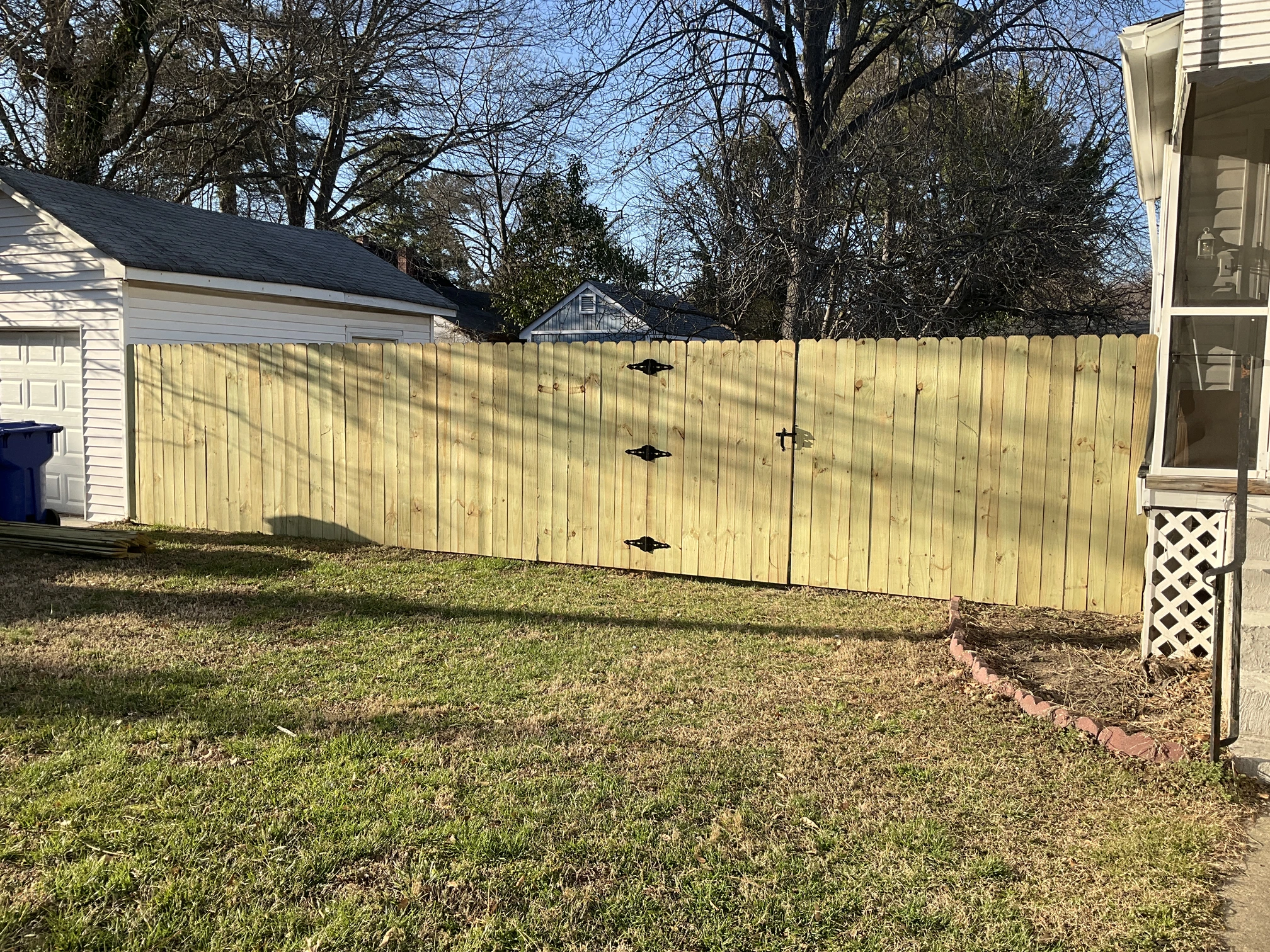
Vinyl fencing has grown significantly in popularity over the past two decades, and it's easy to understand why. It doesn't rot, warp, or require painting, and it holds its color year after year with very little effort. For homeowners who want a clean, consistent look without ongoing maintenance commitment, vinyl is a compelling option.
Best for: Privacy fences, homeowners who want minimal upkeep, properties in humid or wet climates.
Pros:
Cons:
Lifespan: 20 to 30 years with minimal maintenance.
Climate consideration: Vinyl performs well in humid, wet climates where wood requires the most upkeep. In areas with extreme cold, the brittleness risk is worth factoring in - though most quality vinyl fences are engineered to handle normal temperature swings without issue.
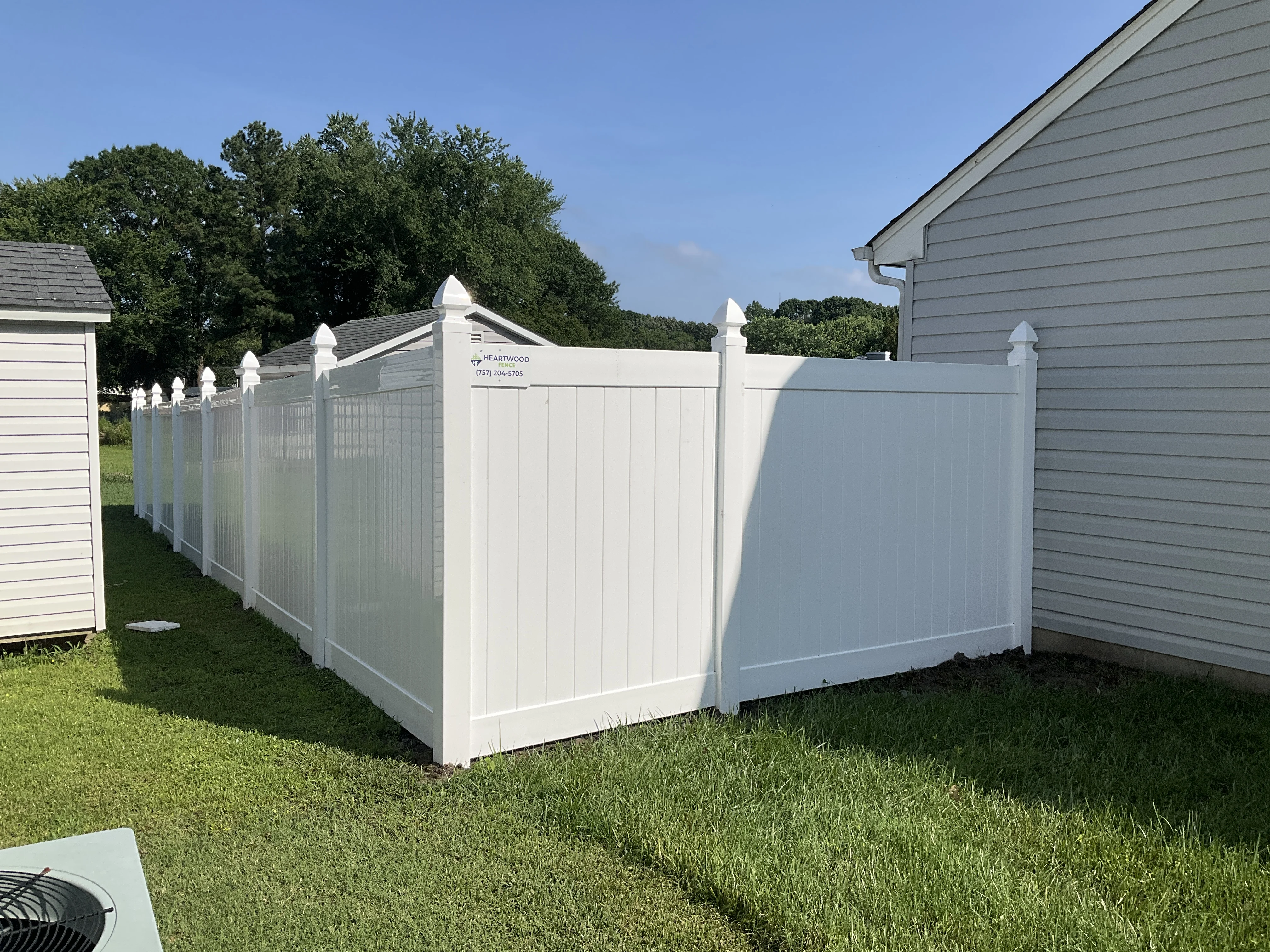
Aluminum fencing offers the classic look of wrought iron without the weight, rust risk, or repainting requirements. It's one of the best materials for a fence when the goal is a decorative boundary or pool enclosure - particularly in coastal or humid environments where iron would corrode quickly.
Best for: Decorative boundaries, pool enclosures, front yard fencing, properties where visibility is acceptable.
Pros:
Cons:
Lifespan: 30 or more years with minimal maintenance.
Climate consideration: Aluminum fencing is an excellent choice for coastal properties and humid climates. Unlike iron, it won't rust with regular moisture exposure, making it one of the best fence materials for properties near the ocean or in areas with high annual rainfall.
Ready to explore your options? Contact us at Heartwood Fence for a free quote and we'll help you find the right material for your property.
.jpg)
Chain link isn't the most glamorous fence material, but it earns its place as one of the most practical options available. It's cost-effective, durable, low-maintenance, and well-suited to a wide range of applications - from dog runs and utility areas to large property perimeters.
Best for: Large properties, utility areas, dog runs, commercial applications, budget-conscious projects.
Pros:
Cons:
Lifespan: 15 to 20 years or more with proper coating maintenance.
Climate consideration: Standard galvanized chain link fencing can rust over time in coastal or very wet environments. Vinyl-coated chain link adds a layer of moisture protection and is a better choice for high-humidity areas.
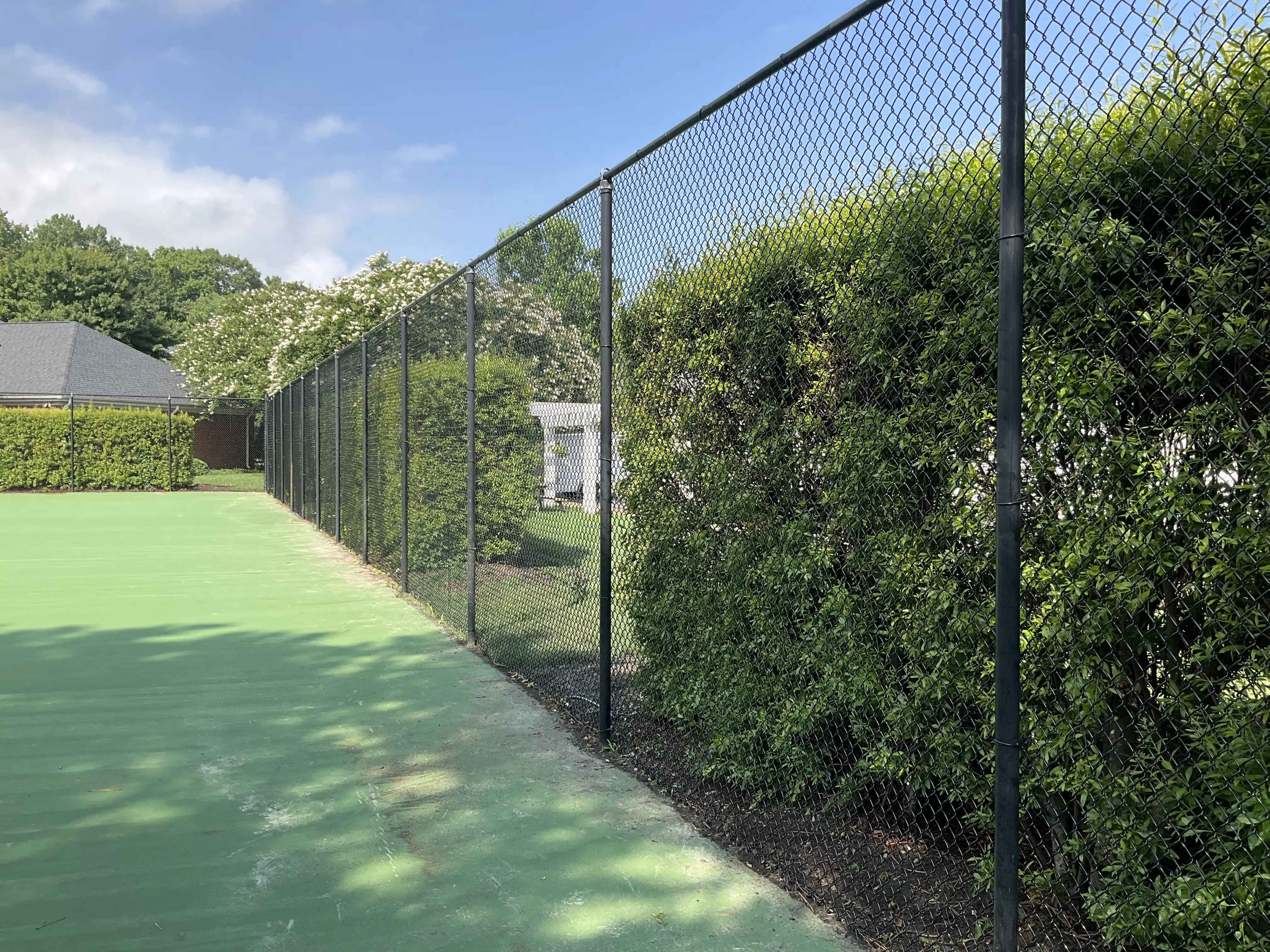
Composite fencing is made from a blend of wood fiber and recycled plastic, engineered to deliver the appearance of wood without the maintenance requirements. It's a relatively newer category in residential fencing but has grown in popularity as a premium alternative to both wood and vinyl.
Best for: Homeowners who want the look of wood with reduced upkeep, environmentally conscious buyers.
Pros:
Cons:
Lifespan: 25 to 30 years with minimal maintenance.
Wrought iron fencing has a timeless, architectural quality that no other material matches. It's heavy, strong, and unmistakably elegant - and it comes with maintenance requirements that most homeowners underestimate.
Best for: Decorative applications, historic homes, high-end properties where aesthetics are the primary priority.
Pros:
Cons:
Lifespan: Decades when properly maintained, but ongoing rust prevention is non-negotiable.
Climate consideration: Wrought iron is a poor choice for coastal or high-humidity environments where rust develops quickly. In these climates, aluminum delivers a similar aesthetic at lower cost with dramatically less maintenance.
With the full range of options in view, here's a practical framework for narrowing down to the best material for your fence:
Prioritize privacy: Wood or vinyl are the clear leaders. Wood offers more customization; vinyl offers less maintenance.
Prioritize low maintenance: Vinyl and aluminum require the least ongoing attention. Composite is a strong option if you want a wood look without the upkeep.
Prioritize budget: Chain link is the most affordable. Wood is the next most cost-effective option for a full privacy fence.
Prioritize longevity: Aluminum and vinyl have the longest lifespans with minimal maintenance. Composite is also a strong long-term performer.
Prioritize aesthetics: Wood and composite offer the most natural appearance. Aluminum and wrought iron offer the most architectural appeal for open-style fences.
Consider your climate:
Consider your soil:
The National Association of Home Builders recommends factoring in both upfront cost and projected maintenance costs over a 10-year period when comparing fence materials - a useful framework for making a truly informed decision.
The best material for a fence also depends on the specific type of fence you're installing:
Privacy fence: Wood and vinyl are the dominant choices. Wood is more affordable upfront and more customizable; vinyl requires less maintenance over time.
Picket fence: Wood is the traditional choice and offers the most authentic look. Vinyl picket fences are popular for their clean appearance and low upkeep.
Pool fence: Aluminum is widely considered the best material for pool fencing. It's rust-resistant, meets visibility requirements for safety compliance, and holds up well with regular water exposure.
Decorative boundary fence: Aluminum and wrought iron are the leading options. Aluminum offers similar aesthetics to iron with far less maintenance.
Utility or security fence: Chain link is the practical standard for large perimeters and utility applications.
Ranch or split-rail fence: Wood is the traditional material for this style. Vinyl split-rail fences are also available and require less maintenance.
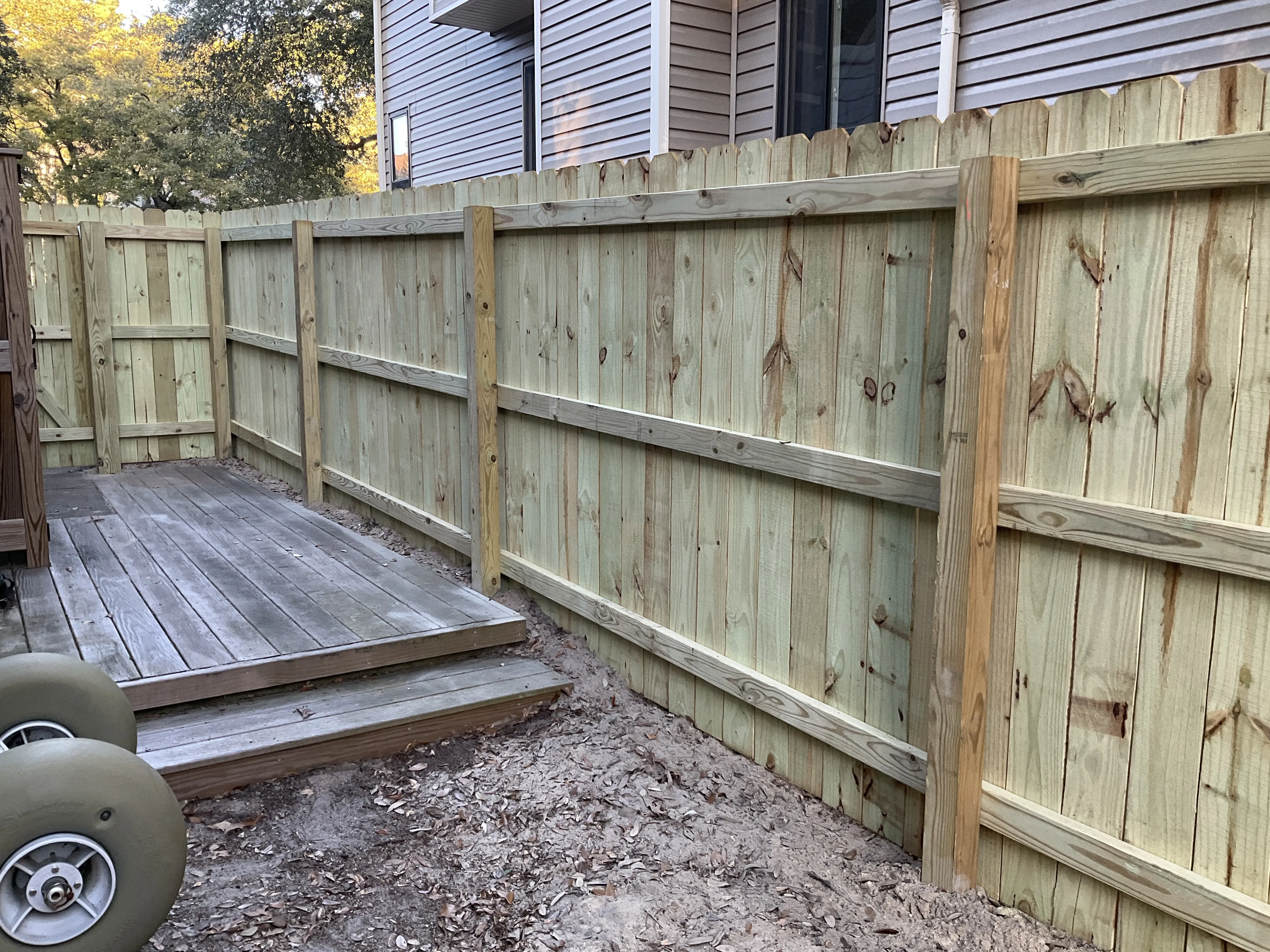
There's no single best material for a fence that works for every property and every homeowner. The right choice is the one that aligns your priorities - privacy, aesthetics, budget, maintenance tolerance, and climate performance - with the material's actual strengths.
Wood remains the most versatile and widely used option for a reason. Vinyl is the clear leader for low-maintenance privacy fencing. Aluminum is the best choice for decorative and pool applications in any climate. Chain link delivers unbeatable value for utility and large-perimeter projects.
Take time to understand what you actually need from your fence before committing to a material, and you'll end up with an installation that serves your property well for decades.
Contact us today for a free quote and let's help you find the best fence material for your specific property and goals.
What is the best material for a fence that lasts the longest?
Aluminum and vinyl are the longest-lasting fence materials with minimal maintenance - both typically last 20 to 30 years or more. Composite is also a strong long-term performer. Wood can last 20 or more years with consistent sealing and staining, but requires more ongoing attention than vinyl or aluminum.
What is the most low-maintenance fence material?
Vinyl and aluminum require the least ongoing maintenance. Vinyl needs only periodic cleaning with a hose. Aluminum's powder-coated finish resists rust, chipping, and fading without repainting. Composite is also low-maintenance compared to natural wood.
What is the cheapest fence material?
Chain link is the most affordable fence material by a significant margin. For privacy fencing specifically, pressure-treated wood is the most cost-effective option. Vinyl and aluminum cost more upfront but can offer better long-term value when maintenance costs are factored in.
What is the best fence material for a humid or coastal climate?
Aluminum and vinyl perform best in humid and coastal environments. Both resist moisture and don't corrode or rot with regular exposure to salt air and rainfall. Vinyl-coated chain link is a good option for utility applications in these climates. Wood requires more frequent maintenance in high-humidity environments but can still perform well with proper sealing.
Is vinyl or wood better for a privacy fence?
Both are excellent privacy fence materials. Wood costs less upfront and offers more customization - you can paint or stain it any color and cut boards to any configuration. Vinyl costs more initially but requires virtually no maintenance and holds its appearance longer without repainting or resealing. The best choice depends on your budget, maintenance preferences, and aesthetic goals.
How do I choose between aluminum and wrought iron?
Aluminum delivers a very similar aesthetic to wrought iron at lower cost and with far less maintenance. Wrought iron is heavier, stronger, and has a more traditional look that some homeowners prefer - but it rusts without regular painting and rust treatment. For most residential applications, aluminum is the more practical choice. Wrought iron is best reserved for properties where its specific look is a priority and the maintenance commitment is fully understood.