One of the most commonly overlooked steps in any fence project is also one of the most important: checking whether you need a permit before you start. Many homeowners assume a fence is a simple enough addition that it doesn't require formal approval. In many cases, that assumption is wrong - and finding out after the fence is built can be expensive.
This guide covers everything you need to know about fence permits: when they're required, what happens if you skip them, how to navigate the permit process, and what other approvals may apply to your project beyond the local building department.
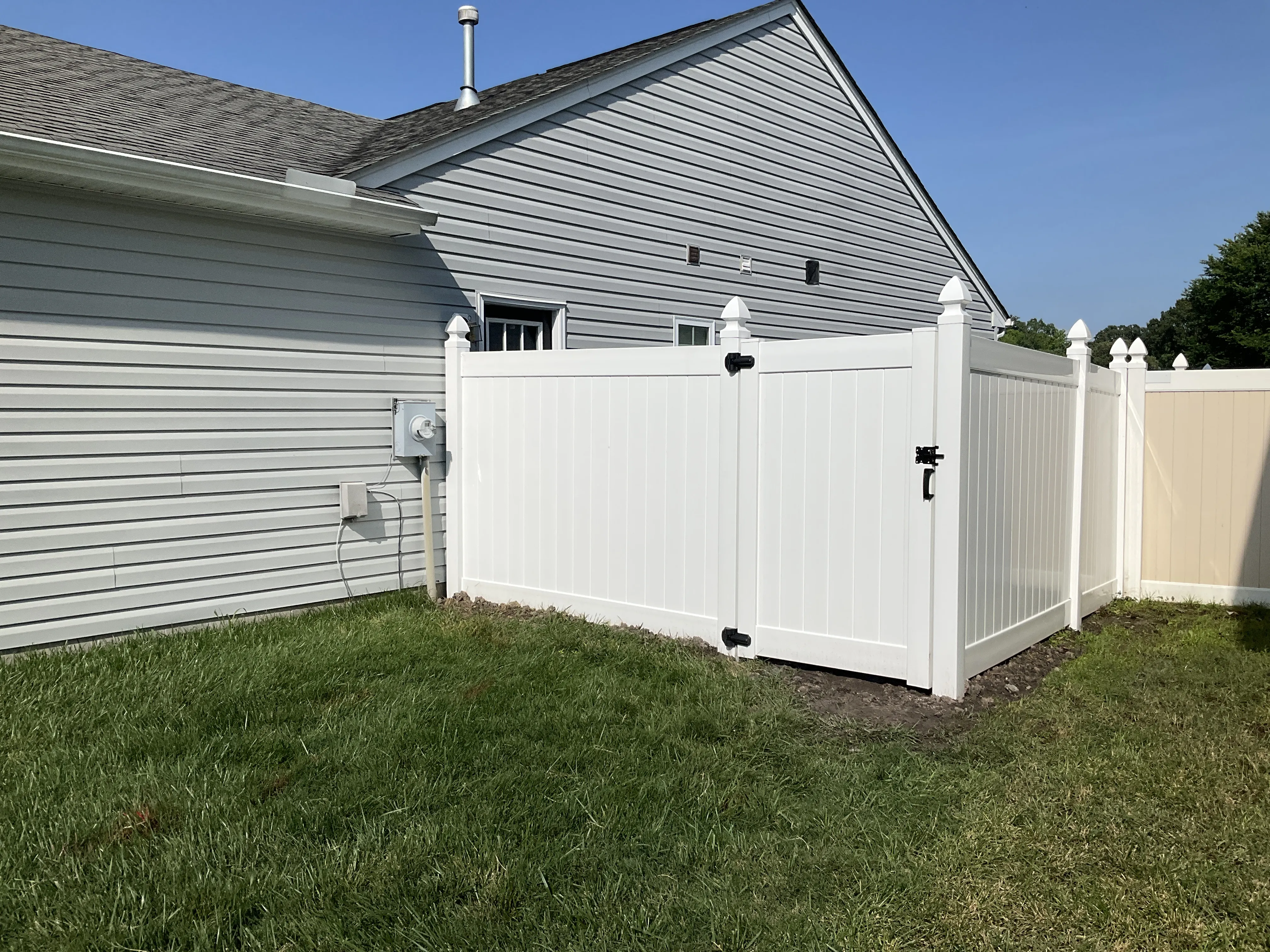
Permit requirements for fences exist for several practical reasons. Building codes regulate fence height, placement, and materials to protect property owners, neighbors, and the public. Setback requirements ensure fences don't encroach on easements, utility corridors, or neighboring properties. Height restrictions prevent fences from creating safety hazards near roads or blocking sightlines at intersections.
The permit process also creates an official record that the fence was built to code - which matters when you sell your property. An unpermitted fence discovered during a home sale can delay or complicate the transaction and may require removal or retroactive approval before closing.
The answer varies by location, but as a general rule: in most jurisdictions in the United States, a permit is required for fence installation, particularly for:
Some jurisdictions have specific exemptions for low fences, decorative fences, or temporary fences - but these exemptions are narrower than most homeowners assume. The safest approach is always to check with your local building or planning department before any work begins.
Your fence contractor should be familiar with the permitting requirements in your area and handle the application process on your behalf. If a contractor is vague about permits or suggests skipping the process, that's a significant red flag.
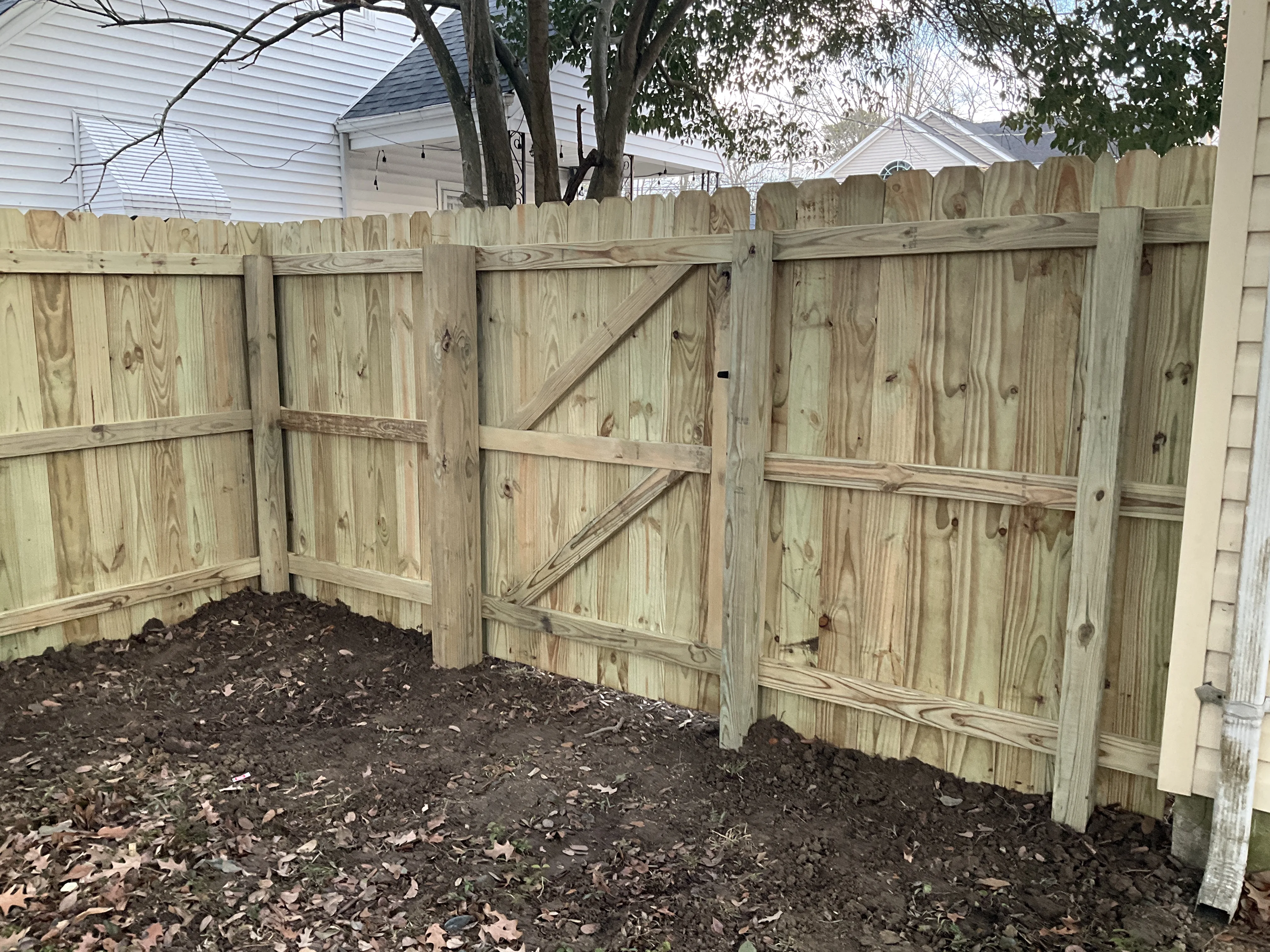
Building without a required permit carries real consequences that are worth understanding before you decide whether to take the shortcut.
Stop-work orders: If unpermitted construction is discovered while work is in progress, the building department can issue a stop-work order that halts the project immediately until proper permits are obtained.
Fines: Most jurisdictions levy fines for unpermitted construction. These vary widely but can be substantial, and in some areas the fine is calculated per day the violation continues.
Mandatory removal: In some cases, an unpermitted fence must be torn down entirely rather than simply permitted retroactively. This means paying for the original installation and a removal, then starting over.
Retroactive permitting: Where retroactive permitting is possible, it typically requires an inspection of the completed fence. If the fence doesn't meet current code requirements, modifications may be required at the homeowner's expense before the permit is approved.
Complications at sale: An unpermitted fence discovered during a real estate transaction can trigger delays, price negotiations, or requirements to address the violation before closing.
The National Association of Realtors consistently notes that unpermitted improvements are among the most common issues that arise during home sale transactions - a particular concern for homeowners who plan to sell within the next several years.
The permit process for fence installation varies by jurisdiction but generally follows a similar pattern.
Step 1 - Check local requirements Contact your local building or planning department to confirm whether a permit is required for your specific project. Many municipalities now have this information available online. Key questions to ask: what fence heights trigger a permit requirement, what setback distances apply to your property, and whether your specific fence type requires special approval.
Step 2 - Prepare and submit an application Permit applications for fence installation typically require a site plan showing your property boundaries, the proposed fence location, the fence height, and the material. Some jurisdictions require a survey or plat map; others accept a homeowner-drawn sketch. Your contractor should handle this step for you.
Step 3 - Wait for approval Processing times vary significantly by jurisdiction. Simple residential fence permits are often approved within a few days to two weeks. Some jurisdictions are faster; others, particularly in busy construction seasons, can take longer. Plan for this timeline when scheduling your installation.
Step 4 - Install the fence With permit in hand, installation can proceed. In some jurisdictions, an inspection is required after installation is complete. Your contractor should confirm whether an inspection is needed and schedule it accordingly.
Step 5 - Final inspection (where required) A building inspector confirms the fence was built to the approved specifications and meets code requirements. Once approved, the permit is closed and the fence is on record as compliant.
Our team handles the full permit process on every fence installation we complete - from confirming requirements to submitting the application to scheduling any required inspections.
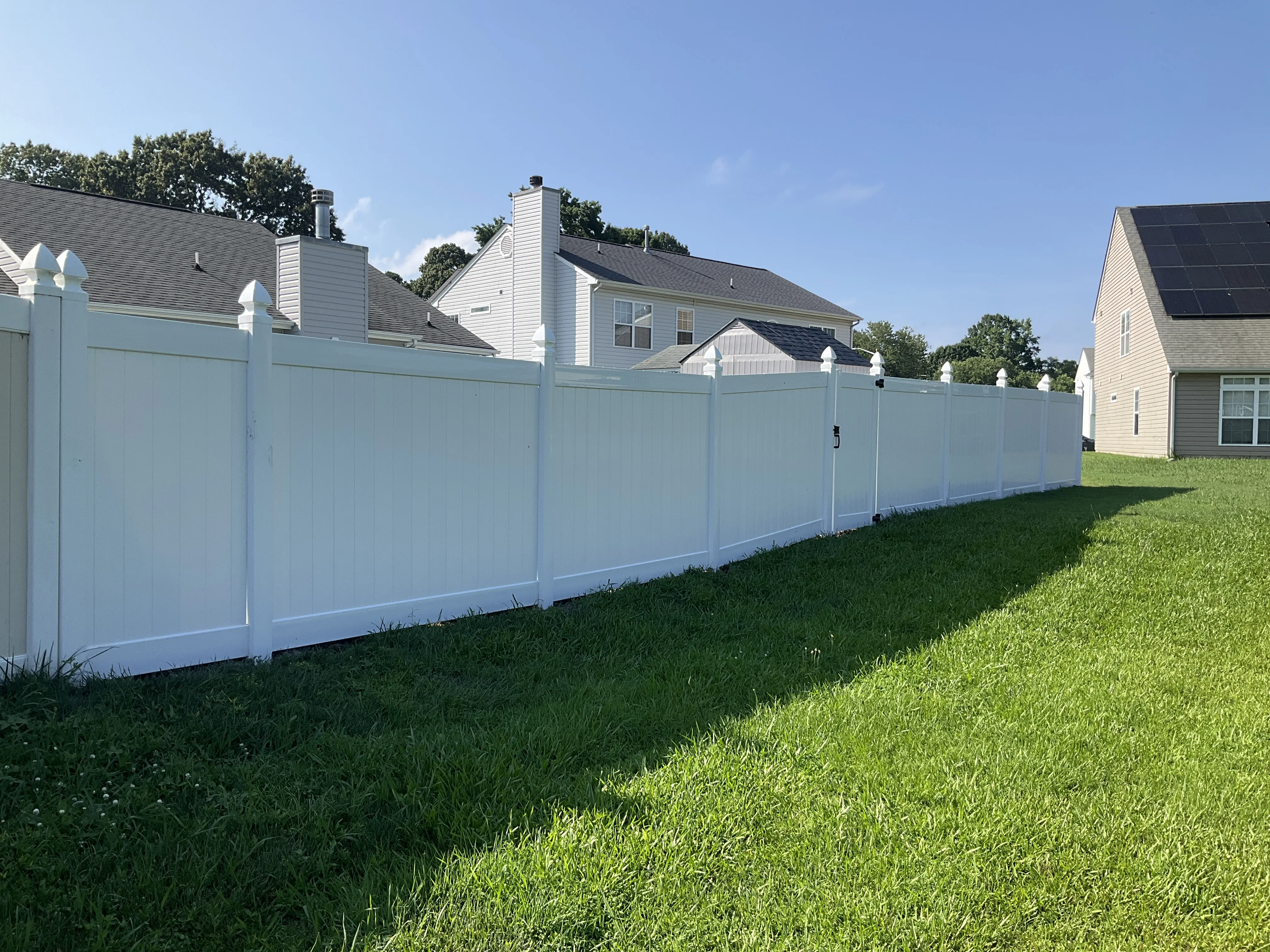
For homeowners in communities governed by a homeowners association, the permit question has two answers - because HOA approval is a separate process from the municipal permit, and both may be required.
HOA fencing requirements commonly address:
The HOA approval process typically requires submitting a written request with a description or rendering of the proposed fence, its dimensions, and the material and color. Approval timelines vary - some HOAs have architectural review committees that meet monthly, which means timing your submission carefully matters for your project schedule.
Important: HOA approval does not replace the municipal permit requirement. Both must be obtained independently. Starting work with only one approval in place - even if it's the HOA's - can still result in code violations.
Always check your HOA's CC&Rs (covenants, conditions, and restrictions) before finalizing your fence design. A reputable contractor will ask about HOA requirements during the initial consultation.
If you're building a fence around a pool, permit requirements are almost universally stricter and more specific than for a standard residential fence. Most states have specific pool barrier laws that establish minimum fence height, maximum opening size in the fence panels, self-closing and self-latching gate requirements, and minimum distance from the pool edge.
Florida, for example, requires pool barriers to be at least 48 inches high, with no gaps large enough for a young child to pass through, and with gates that open away from the pool and latch at a height a child cannot reach. Virginia has similar requirements under the Virginia Uniform Statewide Building Code.
Pool fence permits are typically required regardless of whether the fence would otherwise trigger a permit requirement. The safety stakes are high enough that this is an area where skipping the permit process carries particular risk - both legally and for the safety of children and guests.
The U.S. Consumer Product Safety Commission publishes guidelines on residential pool barrier requirements that provide a useful national baseline, though state and local requirements may be more specific.
Separate from the permit question, calling 811 before any digging is a legal requirement across the United States. The 811 service dispatches utility locators to mark the location of underground gas, water, electrical, and cable lines on your property at no charge.
Hitting a buried utility line during fence post installation is a serious safety risk - and it can result in significant liability and repair costs on top of the safety danger. Calling 811 must happen before any post holes are dug, regardless of whether the fence project requires a permit.
A professional fence contractor handles this step as part of the standard pre-installation process. If you're doing a DIY installation, the call needs to happen at least a few business days before you plan to dig, as utility marking typically takes two to three business days.
Every municipality has its own rules, and the only reliable way to confirm what applies to your specific property is to check directly. Here are the most practical ways to do that:
Contact us and we'll confirm permit requirements for your property before providing your free estimate - so there are no surprises when it's time to schedule your installation.
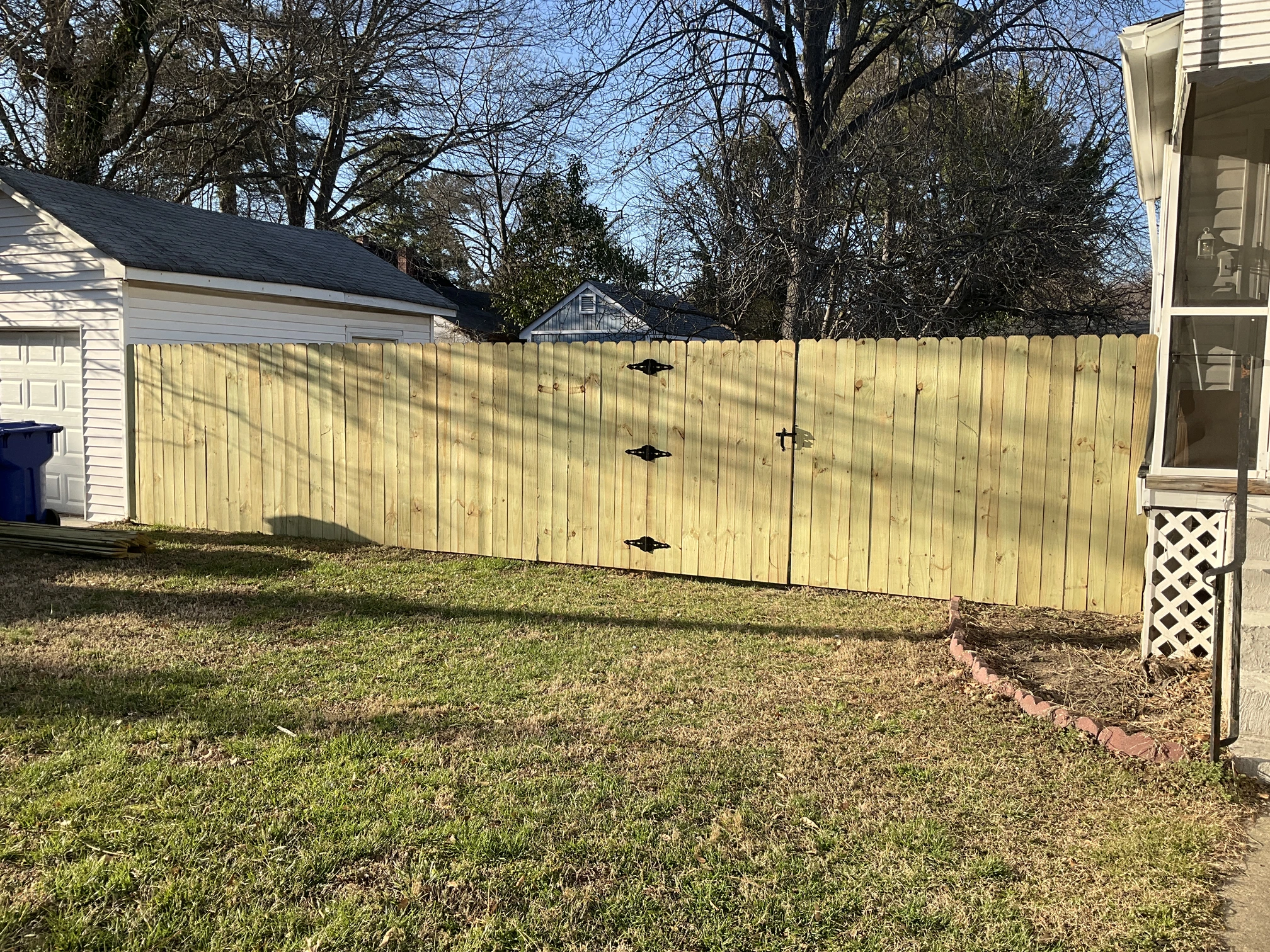
Do you need a permit to build a fence? In most cases, yes - at least for fences above a certain height, pool fences, or fences in regulated setback areas. The specifics depend entirely on where you live and what you're building.
The permit process adds some time to your project timeline but protects you in ways that matter: from fines and mandatory removal, from complications at sale, and from building something that doesn't meet code requirements. Working with a contractor who handles permitting as a standard part of the process is the simplest way to make sure this step is covered correctly.
Contact us for a free quote on your fence project and let our team handle the permit research and application from the start.
Do you always need a permit to build a fence?
Not always, but in most jurisdictions a permit is required for fences above a certain height - typically four feet in front yards and six feet in backyards - or for fences installed near property lines, easements, or pools. The only reliable way to confirm what applies to your property is to check with your local building department.
What happens if I build a fence without a permit?
Consequences vary by jurisdiction but can include stop-work orders, fines, mandatory removal of the fence, and complications during a home sale. In some cases, retroactive permitting is possible but may require modifications to bring the fence into code compliance.
How long does it take to get a fence permit?
Processing times vary by location and season. Simple residential fence permits are often approved within a few days to two weeks. Some jurisdictions are faster; others have longer queues during busy construction seasons. Your contractor should factor permit timing into the overall project schedule.
Does my HOA approval replace a building permit?
No. HOA approval and municipal permits are separate processes, and both may be required. Having HOA approval does not satisfy the building department's permit requirement, and vice versa.
Do pool fences always require a permit?
In almost all cases, yes. Pool barrier requirements are regulated at state and local level with specific standards for height, gap size, gate hardware, and distance from the water. These requirements apply regardless of whether the fence would otherwise trigger a standard residential permit.
Who is responsible for getting the fence permit - me or my contractor?
Most professional fence contractors handle the permit application as part of their service. This is worth confirming explicitly before work begins. At Heartwood Fence, permit research and application handling is part of our standard pre-installation process.