When planning a new fence for your Cincinnati home, most people focus on material first - wood, vinyl, aluminum. But the orientation of your fence boards is just as important as what they're made of. The debate between horizontal fence vs vertical fence comes down to more than aesthetics. It affects privacy, durability, cost, and how well your fence holds up over time.
This guide breaks down everything Cincinnati homeowners need to know about horizontal fence vs vertical fence so you can make a decision you'll be happy with for years to come.
.png)
A horizontal fence runs its boards parallel to the ground, creating a sleek, modern look that has become increasingly popular in recent years. Instead of the traditional up-and-down plank arrangement, horizontal boards stack from the bottom of the fence to the top.
Horizontal fences are often associated with contemporary and minimalist home styles, but they work well with a wide range of architectures. They tend to feel open and intentional - like a design choice rather than just a boundary marker.
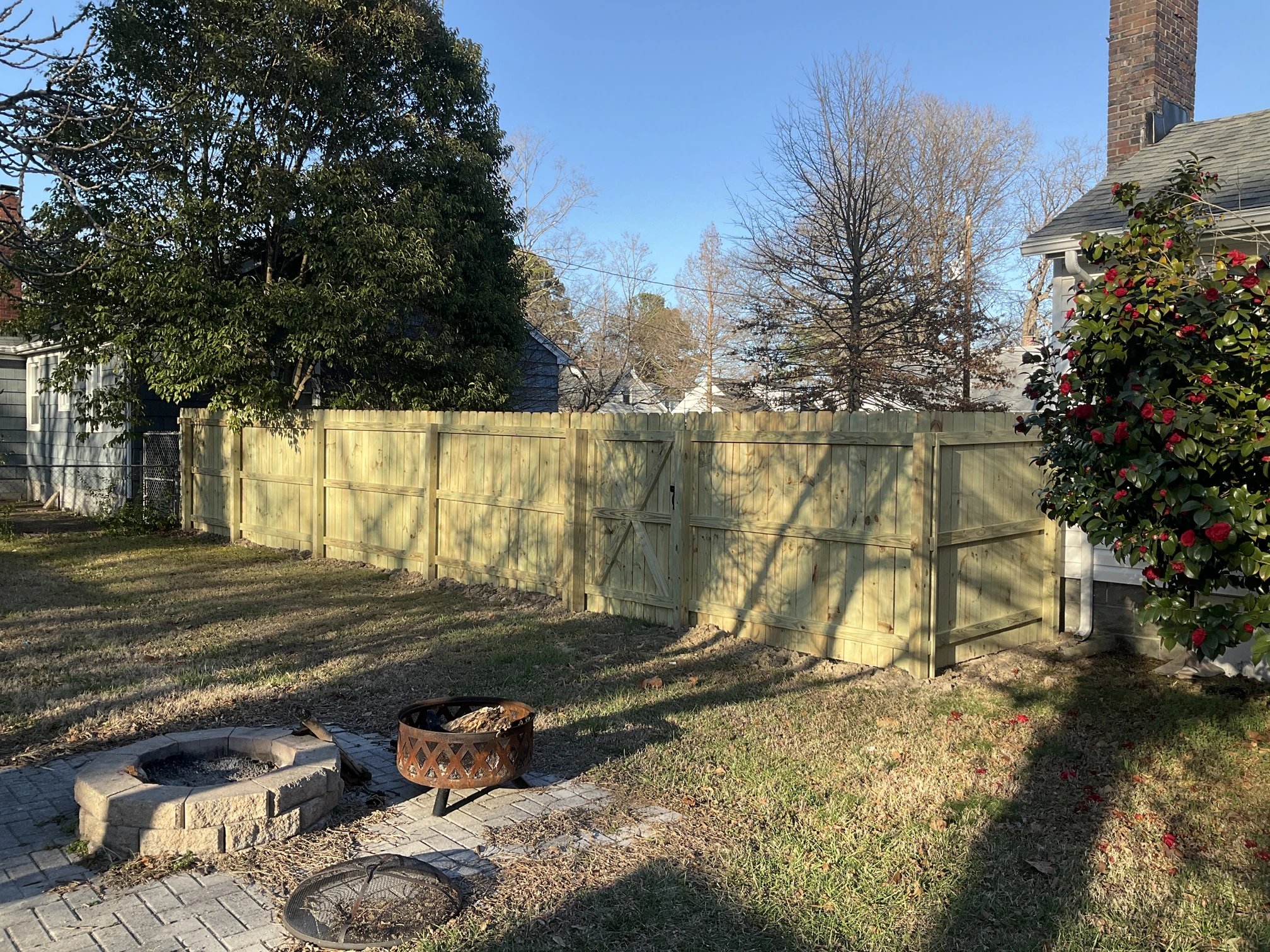
A vertical fence is the traditional style most people picture when they think of a backyard fence. Boards run from the top rail to the bottom rail, standing upright side by side. It's the classic look seen in neighborhoods across Cincinnati and the rest of the country.
Vertical fences are timeless, widely understood by contractors, and compatible with nearly every home style. They're also the default option for most fence installation projects, which means more contractors are experienced with them and materials are easy to source.
Curb appeal is often the first reason homeowners start thinking about horizontal fence vs vertical fence. The visual difference between the two is significant.
Horizontal fences tend to feel modern and architectural. The lines draw the eye along the length of the fence rather than upward, which can make a yard feel wider and more expansive. They pair especially well with contemporary homes, clean landscaping, and properties where the fence is meant to be a design feature.
Vertical fences feel classic and familiar. They suit traditional home styles - craftsman, colonial, ranch - and blend into the neighborhood without drawing a lot of attention. For homeowners who want a fence that simply does its job without making a statement, vertical is a comfortable, proven choice.
Neither style is objectively better looking. It comes down to your home's architecture and your personal taste.
Privacy is a top priority for most Cincinnati homeowners installing a backyard fence, and both orientations can deliver it - but they do so a little differently.
Horizontal fences can be tricky to install at taller heights without additional structural support. Because the boards span horizontally between posts, longer runs can sag or bow over time if not properly braced. That said, a well-built horizontal fence at six feet provides excellent privacy.
Vertical fences are naturally well-suited to taller heights. The boards are supported at the top and bottom rail and hold their shape reliably over time. If maximum privacy with minimal structural risk is your goal, vertical fences are the more straightforward option.
For privacy-focused installations, vertical has a slight structural advantage - though a skilled contractor can build a horizontal fence that performs just as well.
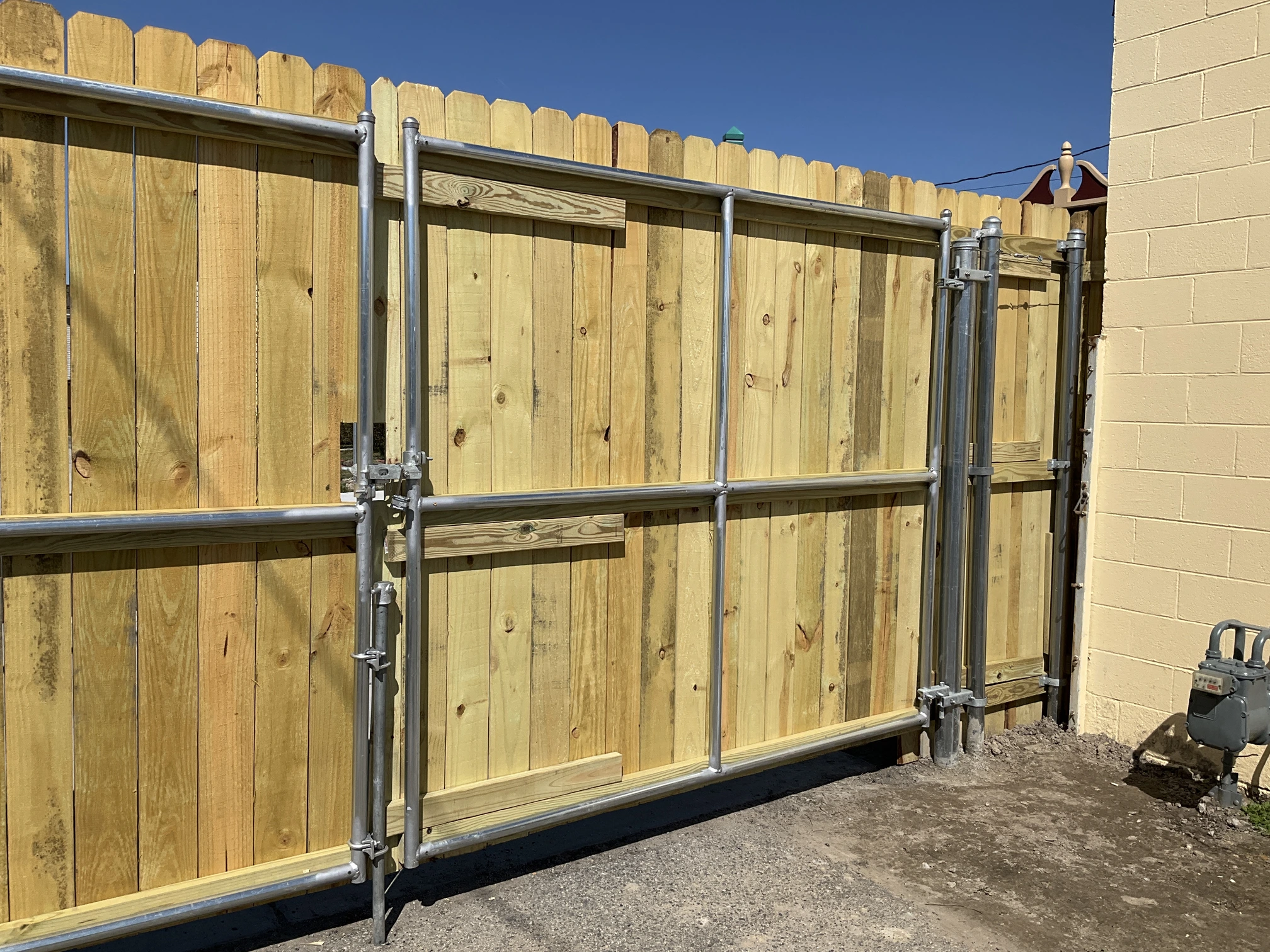
Cincinnati's climate - with its humid summers, heavy rain, and cold winters - plays a real role in how your fence holds up over time. This is an important factor in the horizontal fence vs vertical fence comparison.
Horizontal boards sit parallel to the ground, which means the end grain of each board is more exposed to the elements. End grain absorbs moisture faster than the face of a board, which can accelerate rot and warping if the fence isn't properly sealed and maintained. Horizontal fences typically require more attentive upkeep in wet climates like Cincinnati's.
Vertical boards have their end grain at the top and bottom, where it meets the rails. When properly capped or sealed, vertical boards shed water more naturally and tend to be less susceptible to moisture-related damage over time.
From a pure durability standpoint in Cincinnati's climate, vertical fences have a modest advantage. But with the right wood species, proper sealing, and quality installation, a horizontal fence can perform very well.
Cost is a practical consideration in any horizontal fence vs vertical fence decision. In most cases, horizontal fences cost more to install than vertical fences - and there are a few reasons for that.
Why horizontal fences tend to cost more:
Why vertical fences tend to cost less:
If budget is a primary concern, a vertical fence is typically the more affordable path. If you have flexibility and want the modern look of a horizontal fence, the additional cost is often worth it for the right home.
Thinking through which style fits your yard and budget? Contact us at Heartwood Fence and we'll walk you through your options with a free quote.
Both fence orientations require maintenance when built from wood, but there are some differences worth knowing in the horizontal fence vs vertical fence comparison.
Horizontal fences need more frequent inspection for moisture damage, particularly along the board ends. Sealing the end grain is critical and should be done at installation and refreshed regularly. Because horizontal boards are more exposed to pooling water during heavy Cincinnati rainstorms, checking for early signs of rot or warping is important.
Vertical fences are generally a little more forgiving. Water runs down the face of the boards and drips off naturally. Regular sealing every two to three years is still important, but the risk of moisture-related damage is somewhat lower.
For both styles, annual inspections and prompt repairs will extend the life of your fence significantly.
The horizontal fence vs vertical fence question also interacts with your choice of material.
Wood works well with both orientations, though the durability considerations above apply. Cedar is a popular choice for horizontal fences specifically because of its natural resistance to moisture and rot.
Vinyl is most commonly available in vertical configurations. Horizontal vinyl fences exist but are less widely available and can be harder to source in Cincinnati. If you're leaning toward a horizontal style, wood is typically the more practical material choice.
Aluminum fences are typically designed with vertical pickets and aren't well-suited to a horizontal layout. If you want aluminum, vertical is really the only practical option.
There's no single right answer in the horizontal fence vs vertical fence debate. The best choice depends on your priorities, your home's style, and how much maintenance you're willing to take on.
Choose a horizontal fence if you want a modern, architectural look and are willing to invest a bit more in installation and upkeep. It's a great fit for contemporary homes and homeowners who want their fence to make a design statement.
Choose a vertical fence if you want a reliable, cost-effective, low-maintenance option that suits a wide range of home styles. It's the proven classic for good reason.
Whatever you choose, working with an experienced local contractor makes all the difference. A well-built fence - horizontal or vertical - will serve your Cincinnati home for decades.
Contact us today for a free quote and let's find the right style for your yard.
Is a horizontal fence more expensive than a vertical fence in Cincinnati?
Generally, yes. Horizontal fences require more structural support and more labor-intensive installation, which typically makes them more expensive than a comparable vertical fence.
Which fence style is more private - horizontal or vertical?
Both can provide full privacy when installed at the right height. Vertical fences are easier to build taller without additional structural support, giving them a slight edge for privacy-focused projects.
Do horizontal fences hold up well in Cincinnati's weather?
They can, but they require more attention to maintenance. The exposed end grain of horizontal boards absorbs moisture more readily, so proper sealing at installation and regular upkeep are essential in Cincinnati's wet climate.
What wood is best for a horizontal fence?
Cedar is widely recommended for horizontal fences due to its natural resistance to moisture and rot. It holds up better than pine or spruce when boards are oriented horizontally and more exposed to the elements.
Can I get a horizontal vinyl fence in Cincinnati?
Horizontal vinyl fences are less common and harder to source than vertical vinyl options. If you want a horizontal style, wood - particularly cedar - is typically the more practical and widely available choice.
How long does a horizontal fence last compared to a vertical fence?
With proper maintenance, both can last 15 to 20 years or more. Vertical fences may have a slight longevity advantage in wet climates due to better moisture runoff, but a well-maintained horizontal fence performs very well too.