If you’re planning fence installation Cincinnati homeowners quickly learn that soil matters more than they expect.
In the Cincinnati area, clay heavy soil is common. It expands when wet. It shrinks when dry. It holds water longer than sandy soil. And during winter, it can shift as temperatures move above and below freezing.
That movement affects how fence posts behave over time.
A fence that looks perfectly straight in June can start leaning by February if it was not installed properly. That is not a materials issue. It is usually a soil issue.
This guide explains how local clay soil impacts fence installation Cincinnati projects and what experienced contractors do differently to make fences last.
%20(1).jpg)
Large parts of the Cincinnati region sit on clay rich subsoil formed from glacial deposits and weathered limestone. In many neighborhoods, once you dig past a thin layer of topsoil, you hit dense clay.
Clay soil:
These characteristics directly affect the stability of fence posts. That is why fence installation Cincinnati requires different planning than installation in sandy or well drained soil.
Clay expands as it absorbs water and contracts as it dries. That repeated cycle creates pressure on fence posts.
Over time, this movement can:
In a typical fence installation Cincinnati project, ignoring soil expansion is one of the main reasons fences shift within the first few years.
Clay soil does not drain efficiently. Water can sit around the base of posts for extended periods after heavy rain.
Standing moisture increases:
Proper drainage planning is a major part of professional fence installation Cincinnati work, especially for wood fences.
Cincinnati winters regularly cycle above and below freezing. When clay soil absorbs water and freezes, it expands. When it thaws, it contracts again.
This process, called frost heave, can push posts upward or tilt them sideways.
If a fence installation Cincinnati project does not account for frost depth and soil movement, long term stability can be compromised.
Experienced local installers understand that soil is not just dirt. It is a structural factor.
Here is what professionals typically adjust in a fence installation Cincinnati project.
In Cincinnati, fence posts are commonly set deeper to help protect against frost heave. Depth often exceeds 24 inches and may go significantly deeper depending on soil conditions and fence height.
Going below frost line reduces upward pressure during winter expansion.
Professionals may:
Gravel at the base can help water drain away from the post rather than sit directly against it. That detail makes a difference in clay soil conditions.
In clay heavy ground, properly mixed and fully cured concrete footings matter.
Rushed installations that do not allow adequate curing time can weaken the base. Experienced contractors treat the footing as the structural anchor of the fence.
In fence installation Cincinnati, footing quality is often the difference between a fence that lasts 5 years and one that lasts 20.
On sloped properties, installers may position posts and panels in ways that reduce water pooling. In certain cases, grading adjustments around fence lines can improve long term performance.
Understanding how water moves across a yard is part of responsible fence installation Cincinnati planning.
Clay soil can influence material choice.
For example:
A contractor familiar with local soil conditions can recommend materials that perform reliably in fence installation Cincinnati projects.
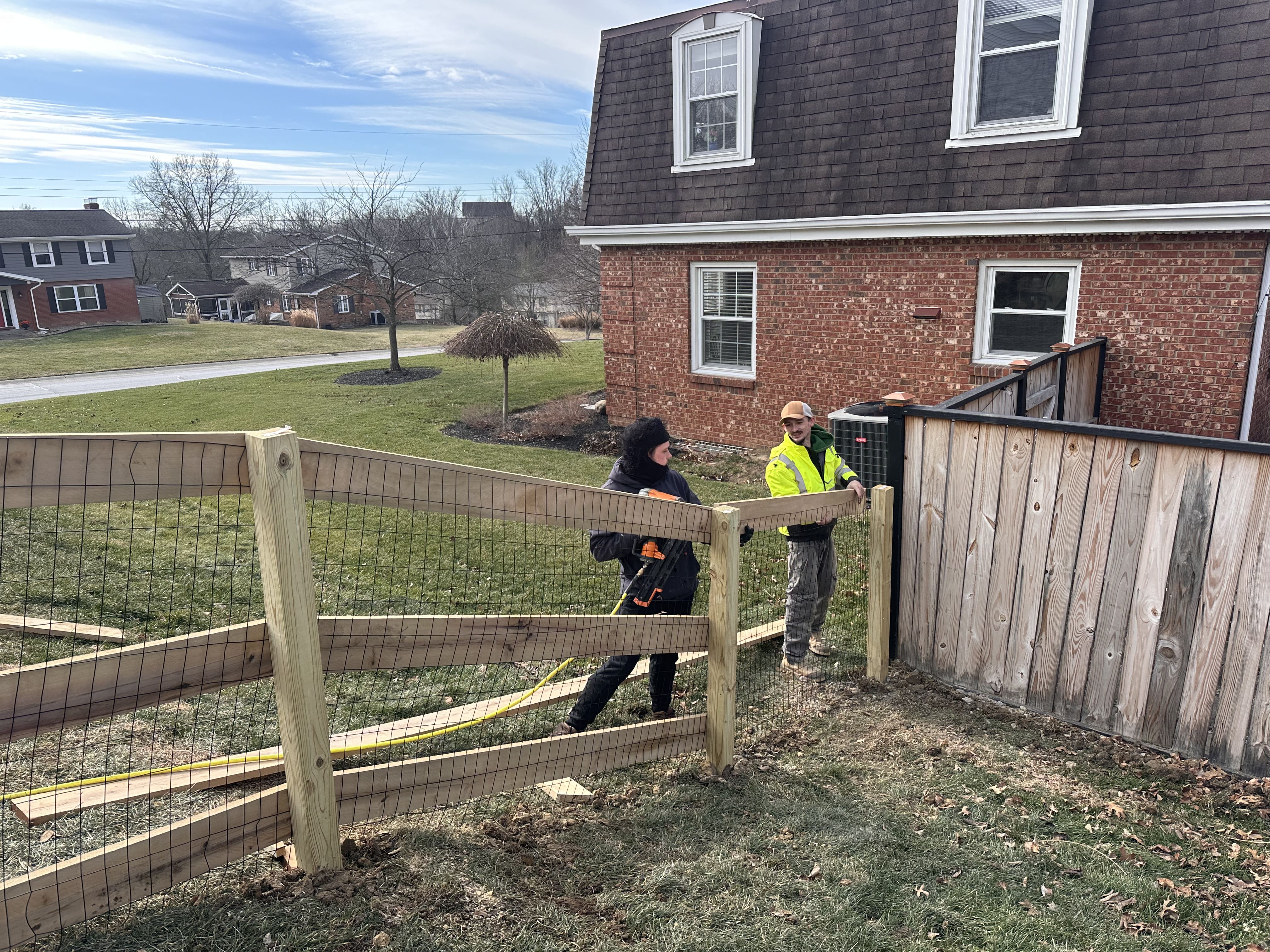
When planning fence installation Cincinnati, some mistakes increase the risk of premature issues:
Clay soil does not forgive shortcuts.
If you already have a fence, clay soil movement may be contributing if you notice:
In many cases, targeted repairs are possible. In other cases, a properly executed fence installation Cincinnati replacement may be more cost effective long term.
Soil conditions vary by region. What works in Arizona or Florida does not necessarily work in Ohio.
Contractors experienced with fence installation Cincinnati understand:
That knowledge helps ensure the fence is built for local conditions, not generic assumptions.
Clay soil is not a problem. It just requires the right approach.
When done properly, fence installation Cincinnati projects can perform reliably for many years even in dense, moisture retaining soil.
The key is depth, drainage, material selection, and careful footing preparation.
If you are planning a new fence, working with professionals who understand Cincinnati soil conditions can help protect your investment.
.jpg)
Does clay soil make fence installation in Cincinnati more expensive?
It can increase labor time due to digging difficulty and deeper post requirements. However, proper installation prevents costly repairs later.
How deep should fence posts be for fence installation Cincinnati?
Depth varies based on fence height and soil conditions, but posts are typically set below local frost depth to reduce movement from freeze thaw cycles.
Is gravel necessary for fence installation Cincinnati in clay soil?
Gravel at the base of the post hole can improve drainage and reduce standing water around the post. Many professionals use it as part of best practice installation.
Does clay soil cause fences to lean?
Clay expansion and contraction can contribute to leaning if posts are not installed properly. Correct depth and secure concrete footings help prevent this.
What fence material works best in clay soil in Cincinnati?
Pressure treated wood rated for ground contact, vinyl, aluminum, and properly coated steel can all perform well when installed correctly. The installation method matters as much as the material.
Looking for a fence that’s built to last and crafted with care? Heartwood Fence is your trusted local contractor for expert fence installation, repair, and replacement. Whether you need a new privacy fence, a secure pool enclosure, or a custom design that boosts curb appeal, our team delivers quality workmanship and honest service every time.
We treat every project like it’s our own home — with precision, pride, and a promise to get it right the first time.
Ready to start your project?
Contact our friendly team today for a free, no-obligation quote.
Serving Virginia Beach, Norfolk, Chesapeake, Hampton, Newport News, Roanoke, Cincinnati, and Orlando, Heartwood Fence builds fences that protect what matters most.