If you're considering a wood fence for your property, one of the first questions you're probably asking is how long does a wood fence last. It's a fair question - a fence is a real investment, and understanding its lifespan helps you plan for maintenance, budget for eventual replacement, and make a smarter material decision from the start.
The short answer is that a well-built wood fence lasts between 15 and 20 years. But that range is wide for a reason. The actual lifespan of your fence depends on several factors that are worth understanding before you commit to a material or a contractor.
Most homeowners can expect a quality wood fence to last 15 to 20 years with proper maintenance. Some cedar fences, when well-built and consistently maintained, last 25 to 30 years. On the other end, a fence built with lower-grade materials or installed without proper sealing can begin showing significant deterioration in as few as five to eight years.
The wide range comes down to three things: the wood species used, the quality of the installation, and how consistently the fence is maintained over its life. Get all three right and a wood fence is a durable, long-lasting investment. Get any of them wrong and you'll be looking at repairs or replacement sooner than you planned.
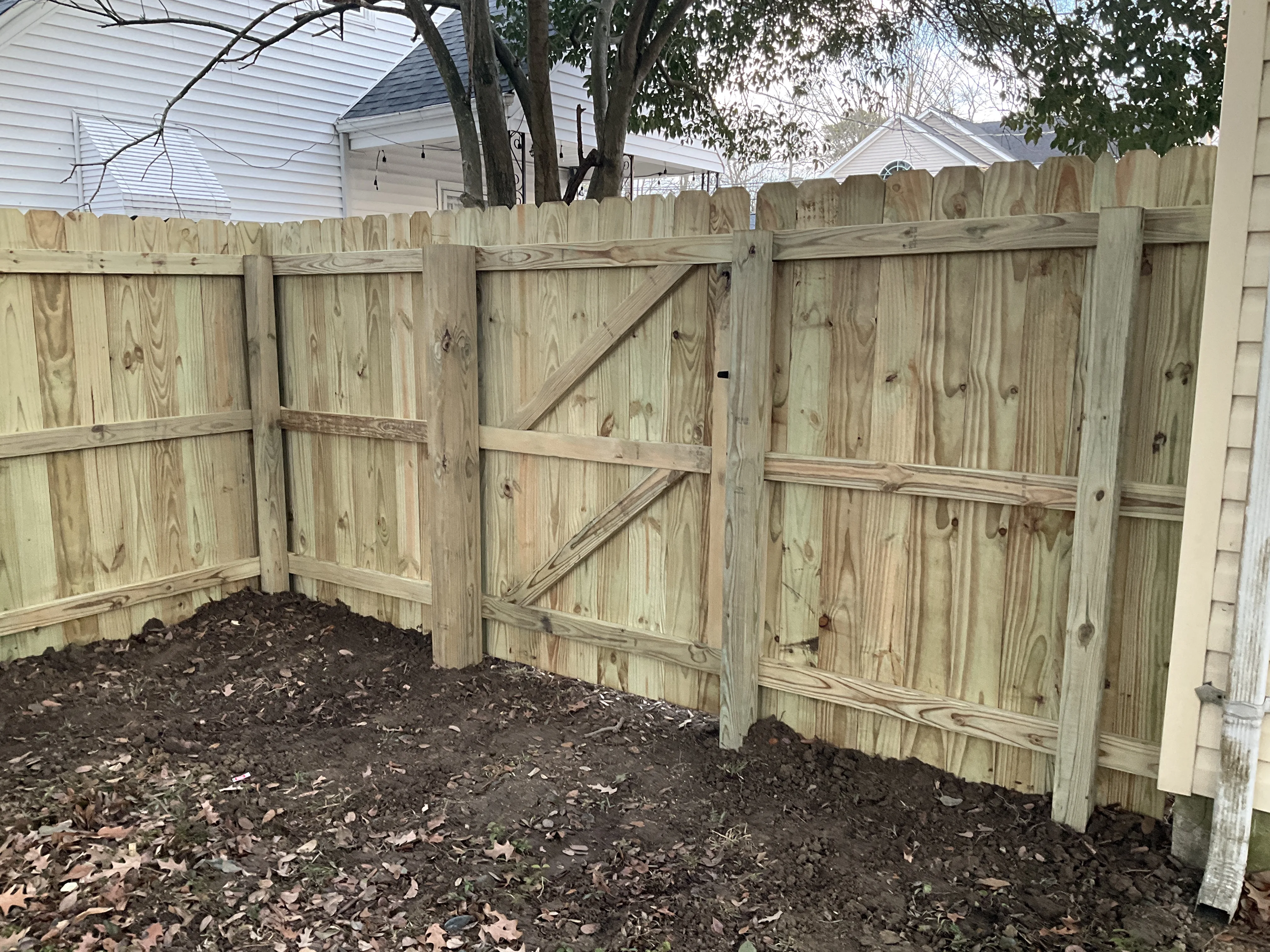
Not all wood is created equal when it comes to outdoor fencing. The species you choose has a significant effect on how long your fence lasts.
Cedar Cedar is the top choice for residential wood fencing for a reason. It contains natural oils that resist moisture, insects, and decay - which means it holds up better than most species without heavy chemical treatment. A cedar fence that's properly installed and maintained can last 20 to 30 years. It's the best answer to the question of how long does a wood fence last when you want maximum longevity from a natural wood product.
Pressure-Treated Pine Pressure-treated pine is the most common and affordable wood fence material. The treatment process forces preservatives deep into the wood fibers, making it resistant to rot and insects. For fence posts going into the ground, pressure-treated lumber rated UC4B or UC4C is the standard - and for good reason. A pressure-treated pine fence typically lasts 15 to 20 years with proper maintenance.
Redwood Redwood is naturally resistant to rot and insects and offers a beautiful appearance, but it's significantly more expensive than cedar or pine and less widely available outside the western United States. When available, it's a premium choice that can match or exceed cedar's lifespan.
Untreated Pine or Spruce Untreated softwoods are generally not recommended for outdoor fencing, particularly for posts and any components in contact with soil. Without treatment or natural rot resistance, these species can begin deteriorating within a few years in wet or humid conditions.
The wood species matters, but installation quality is equally important in determining how long a wood fence lasts. A poorly installed fence using good materials will fail earlier than a well-installed fence using mid-grade materials.
Here's what a quality installation looks like:
Post depth and concrete work Posts are the foundation of any fence. They need to be set to the correct depth - typically one third of the post length below grade, and below the local frost line in cold climates. Posts set too shallow will shift, lean, and eventually fail under the weight of the fence panels. Concrete should be properly mixed and allowed to cure fully before rails are attached.
Ground contact materials Any wood going into the ground needs to be rated for ground contact. Standard pressure-treated lumber isn't always appropriate for below-grade use - look for UC4B or UC4C ratings specifically for posts. Using the wrong grade of lumber underground accelerates rot significantly.
Proper sealing at cut ends When boards and posts are cut during installation, the exposed end grain absorbs moisture much faster than the face of the wood. A quality installation seals cut ends immediately to prevent premature moisture infiltration.
Gap and spacing Boards installed too tightly against each other without adequate spacing trap moisture between them, creating ideal conditions for mold and rot. Proper installation accounts for the natural expansion and contraction of wood with seasonal moisture changes.
Hardware selection Galvanized or stainless steel fasteners are essential for outdoor wood fencing. Standard steel screws and nails rust quickly in outdoor conditions, leaving rust streaks on the wood and eventually failing structurally. Hardware is a small part of the overall project cost but a significant factor in long-term performance.
If you're working with a fence installation professional, these details should be standard practice. If you're building yourself, they're worth understanding before you start.
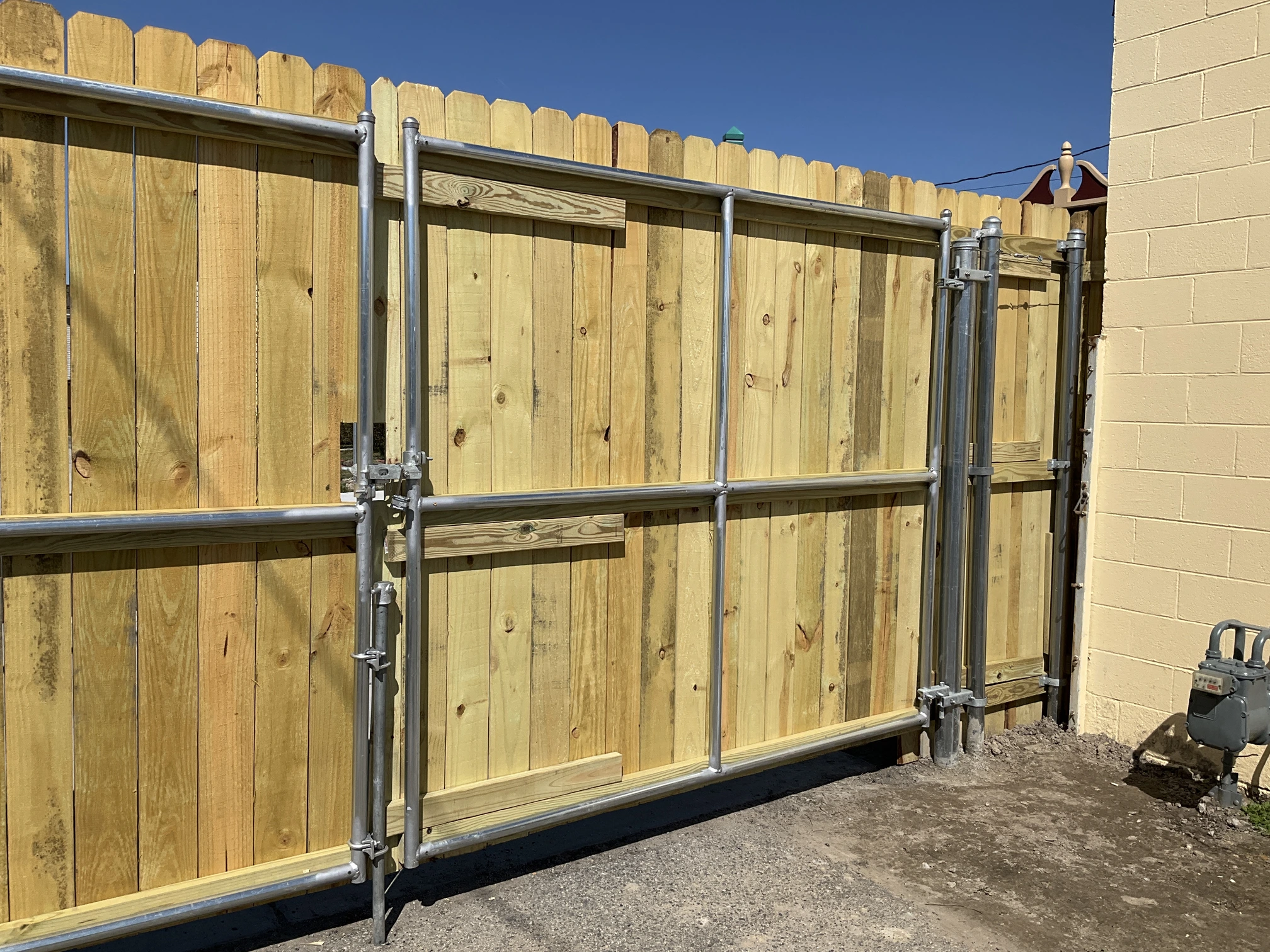
Of all the variables that determine how long a wood fence lasts, maintenance is the one most entirely within the homeowner's control - and the one most commonly neglected.
Sealing and staining A quality wood sealant or stain is the primary defense against moisture, UV damage, and premature decay. New wood fences should be sealed within the first few months of installation, and the application should be refreshed every two to three years depending on your climate and sun exposure. In humid climates or areas with heavy rainfall, more frequent application may be needed.
Stain penetrates the wood fibers and provides longer-lasting protection than surface paint, which can peel and crack as wood expands and contracts with temperature changes. A penetrating stain is generally the better choice for outdoor wood fencing.
Annual inspections Walking your fence line once a year - checking for soft spots, early rot at post bases, loose boards, and rust on hardware - allows you to catch small problems before they become expensive ones. A single rotted post identified early can be repaired; a post that's been deteriorating unnoticed for three seasons may have compromised the surrounding fence structure.
Vegetation management Plants, vines, and mulch that grow against a fence trap moisture against the wood surface, dramatically accelerating decay. Keeping a clear zone of several inches around fence posts and boards allows the wood to dry out between rain events.
Prompt repairs A loose board or a wobbly post is a much cheaper fix today than a cascading structural problem next year. Wood fence damage tends to compound - a failed post puts stress on adjacent sections, which puts stress on the sections beyond those. Addressing issues promptly keeps small repairs from becoming large ones.
Contact us if you're noticing early signs of wear - our team can assess what's needed and give you an honest recommendation on repair vs. replacement.
How long a wood fence lasts varies significantly by climate. The same fence built to the same standard will have a different lifespan in a dry desert climate than in a humid coastal environment.
Humid and coastal climates High humidity and salt air are among the harshest conditions for wood fencing. Persistent moisture exposure accelerates rot and warping, while salt air degrades hardware and penetrates wood surfaces faster than inland environments. In these climates, more frequent sealing, more attentive maintenance, and higher-grade materials make a meaningful difference in lifespan.
Cold climates with freeze-thaw cycling Freeze-thaw cycling is hard on fence posts specifically. Water that penetrates post bases freezes, expands, and gradually pushes posts upward and out of alignment - a process called frost heave. Posts set below the local frost line are significantly more resistant to this problem. In cold climates, post depth is one of the most important installation variables.
Hot and dry climates Extreme heat and UV exposure accelerate wood drying, cracking, and splitting. In dry climates, UV-blocking stain or sealant is particularly important, and boards may need more frequent inspection for cracks that allow moisture infiltration during the rainy season.
Moderate climates Regions with mild temperatures, moderate rainfall, and lower humidity are generally the most favorable for wood fence longevity. In these environments, a well-maintained cedar fence can realistically approach the upper end of its lifespan range.
The United States Forest Service Forest Products Laboratory publishes research on wood durability and preservation that provides useful guidance on species performance in different environments.
Knowing how long a wood fence lasts theoretically is useful, but recognizing the signs that your specific fence is nearing replacement time is equally important.
Our guide on wooden fence installation covers what a quality replacement installation looks like if you're reaching that stage.
When asking how long does a wood fence last, it helps to put the answer in context with other common fence materials.
Wood's appeal relative to these alternatives comes from its natural appearance, lower upfront cost, and customizability - not from outright longevity. If maximum lifespan with minimum maintenance is your primary goal, vinyl or aluminum may be the stronger choice. If you want a natural wood aesthetic and are willing to maintain it, a quality wood fence offers excellent value over its lifespan.
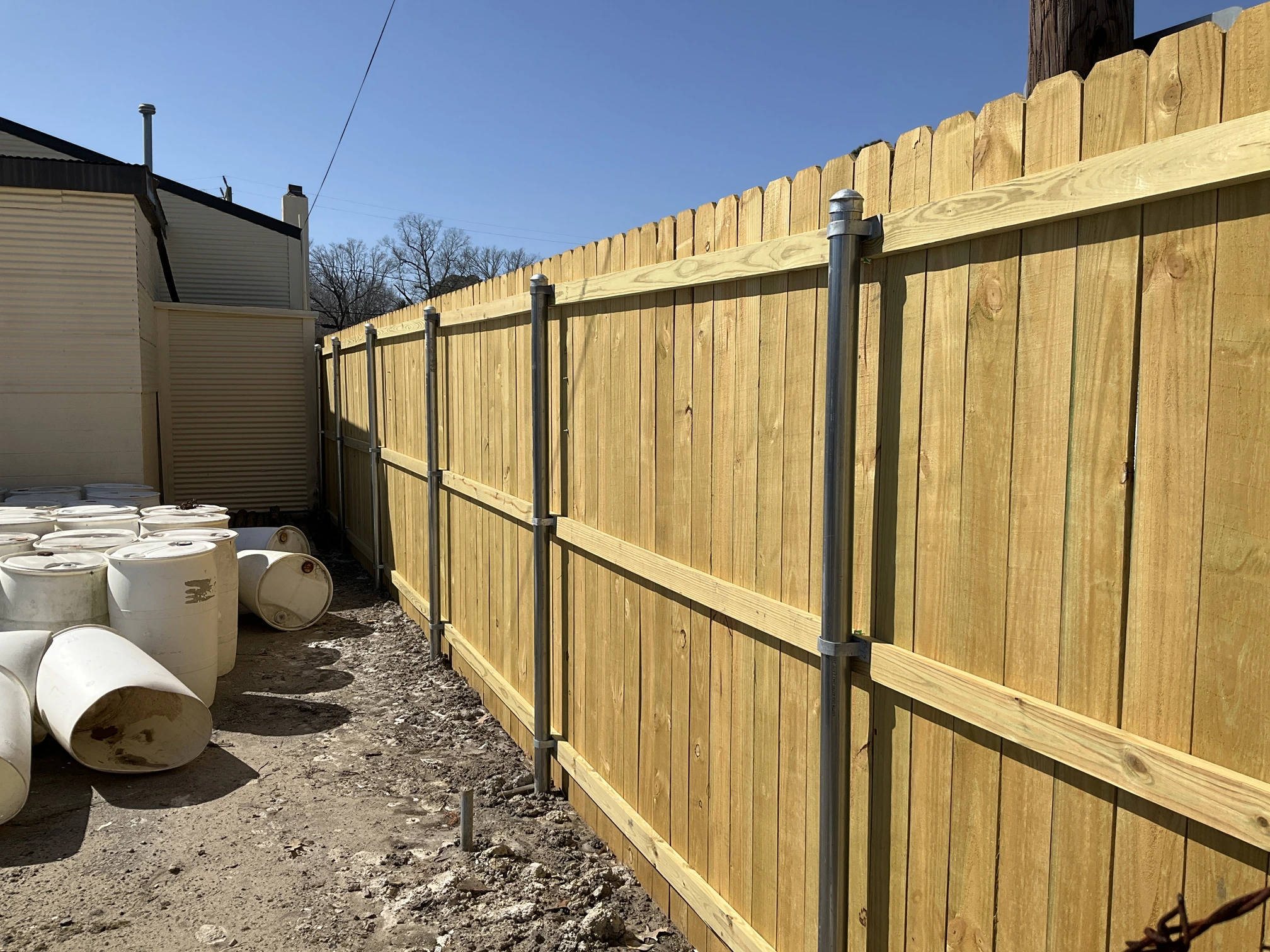
The question of how long does a wood fence last ultimately comes down to the choices you make at three stages: material selection, installation quality, and ongoing maintenance. Choose a rot-resistant species like cedar, work with a contractor who sets posts correctly and seals cut ends, commit to sealing every two to three years and catching problems early, and a wood fence will serve your property well for 20 years or more.
Cut corners at any of those three stages and the lifespan shortens accordingly.
Contact us for a free quote on your wood fence installation and let's build something designed to last.
How long does a wood fence last on average?
A well-built and properly maintained wood fence typically lasts 15 to 20 years. Cedar fences with consistent maintenance can last 25 to 30 years. Fences built with lower-grade materials or installed without proper sealing may begin deteriorating significantly earlier.
What type of wood lasts longest for a fence?
Cedar is the top-performing natural wood for residential fencing, thanks to its natural resistance to moisture, insects, and decay. Redwood performs similarly but is more expensive and less widely available. For fence posts specifically, pressure-treated lumber rated UC4B or UC4C for ground contact is the standard regardless of what species is used for the above-ground components.
How do I make my wood fence last longer?
Seal or stain the fence every two to three years, inspect annually for early signs of rot or loose hardware, keep vegetation away from post bases, and address small repairs promptly before they compound. These habits consistently extend wood fence lifespan by years compared to neglected installations.
Does climate affect how long a wood fence lasts?
Significantly. Humid and coastal climates accelerate moisture damage and require more frequent maintenance. Cold climates with freeze-thaw cycling are hard on posts specifically. Hot, dry climates cause UV damage and cracking. Moderate climates are the most favorable for wood fence longevity.
How do I know when to repair vs. replace a wood fence?
Repair makes sense when damage is isolated to a few boards or posts and the overall structure is sound. Replacement is the better investment when rot or structural failure has spread across multiple sections, when the fence has been repaired repeatedly, or when repair costs approach or exceed replacement costs.
Is a wood fence worth it compared to vinyl or aluminum?
It depends on your priorities. Wood costs less upfront and offers more customization, but requires more maintenance and has a shorter lifespan than vinyl or aluminum. If you want a natural aesthetic and are willing to maintain it, wood is excellent value. If you want minimal long-term maintenance, vinyl or aluminum deliver a better lifespan-to-effort ratio.