A leaning fence is one of the most common calls fence contractors receive - and in most cases, the culprit isn't the fence itself. It's what's happening underground. Rotted fence posts are the leading cause of fence failure, and understanding why wood rots below the soil line is the first step toward fixing the problem and preventing it from happening again.
This guide covers everything you need to know about how to fix a rotted fence post, why moisture underground is the real enemy, and what your options are depending on how bad the damage has gotten.
.png)
Wood fence posts don't rot evenly. The section above ground - the part you can see and inspect - tends to hold up reasonably well with proper sealing and maintenance. It's the section below the soil line where the real damage happens, and it happens faster than most homeowners expect.
The reason comes down to moisture. Underground, wood is constantly exposed to soil moisture with very little opportunity to dry out. The soil traps water against the wood surface around the clock, creating the persistently damp environment that wood-decaying fungi need to thrive.
There's also a particularly vulnerable zone called the "ground contact line" - the area right at and just below the soil surface. This is where moisture levels fluctuate most dramatically. After rain, this zone is saturated. As it dries out, it cycles through wet and dry conditions repeatedly. That constant cycling accelerates decay faster than either a fully submerged or fully dry environment would.
Wooden fence posts are most vulnerable at this transition point, which is why a post can look perfectly fine above ground while being almost completely rotted through just a few inches below the surface.
Catching rot early gives you more options and lower repair costs. Here's what to look for:
Don't wait for a post to fall over before addressing it. By the time a post is leaning significantly, the rot has usually spread far enough to compromise the structural integrity of surrounding fence sections as well.
When it comes to how to fix a rotted fence post, you have a few different approaches depending on how severe the damage is and how much of the post is affected.
If the rot is confined to the base of the post and the upper portion is still structurally sound, the sister post method is a practical repair option that avoids full post replacement.
Here's how it works:
This method is faster and less disruptive than full replacement, and it leaves the original concrete footing undisturbed. It works best when the rot is limited and the surrounding fence structure is still in good condition.
When rot has progressed through most of the post or the post has failed completely, full replacement is the right call. As we covered in our guide on fence installation, the correct approach here is not to dig out the old footing - but to cut the old post at ground level and set a new post in a fresh hole a few inches away from the original location.
Digging out the old concrete footing disrupts compacted soil, creates erosion risk, and leaves you with a looser foundation for the new post. Leaving the old footing in place and working with undisturbed adjacent soil produces a far more stable result.
Full post replacement steps:
For minor rot at the very base of a post where the upper section is fully intact, steel post repair spikes and ground anchors offer a quicker fix. These metal brackets are driven into the ground and bolted to the existing post, providing additional support without requiring any concrete work.
This is a temporary or supplemental fix rather than a permanent solution. It can buy time and stabilize a post that's starting to lean, but it won't stop the underlying rot from progressing. If you go this route, plan for a full replacement within a season or two.
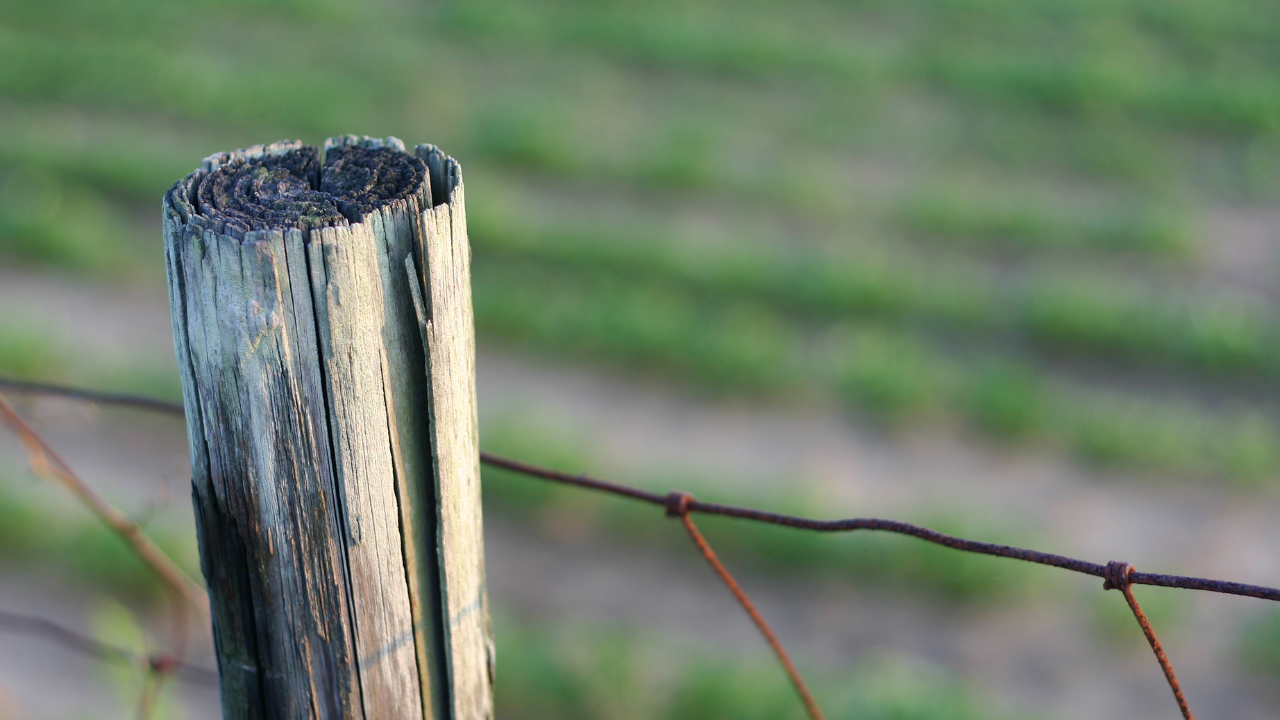
Wood rot treatments and hardeners are available and can consolidate soft, damaged wood fibers to some degree. Products like epoxy wood consolidants can strengthen a partially rotted post enough to extend its functional life.
However, these treatments work best on surface rot and early-stage decay. Once rot has penetrated deeply into the core of a post - particularly below the soil line where moisture exposure continues - treatment alone won't restore structural integrity. At that point, replacement is the more reliable solution.
The United States Forest Service has published extensive research on wood decay and preservation, and their findings consistently show that below-ground wood exposed to persistent moisture is among the most challenging environments to protect against long-term rot.
Fixing a rotted fence post is only half the job. Taking steps to prevent rot from recurring will significantly extend the life of your replacement posts.
Use the right materials from the start
Pressure-treated lumber rated for ground contact (look for UC4B or UC4C treatment ratings) is specifically designed to resist moisture and decay when buried in soil. Not all pressure-treated wood is rated for ground contact, so check the label before purchasing.
For decorative applications where ground contact isn't required, naturally rot-resistant species like cedar are a good option. For picket fences and other above-ground applications, cedar performs well and holds up reliably in most climates.
Seal the end grain
The cut end of a post - the bottom that goes into the ground - is particularly vulnerable because end grain absorbs moisture far more readily than the face of the wood. Applying a quality wood sealant or end-grain sealer before setting the post creates an important barrier against moisture entry.
Improve drainage around posts
Standing water around fence posts dramatically accelerates rot. When setting posts, make sure the concrete footing is slightly crowned above grade so water drains away from the post rather than pooling around it. Avoid mulching or piling soil against the base of fence posts.
Keep vegetation away from post bases
Plants, mulch, and ground cover that grow against fence posts trap moisture against the wood. Keep a clear zone of a few inches around each post base to allow the wood to dry out between rain events.
Consider alternative materials for high-moisture areas
In areas with consistently wet soil or poor drainage, consider aluminum fencing or chain link fencing instead of wood. Both materials are immune to rot and perform well in persistently moist environments.
The American Wood Protection Association sets the industry standards for wood treatment and preservation. Their guidelines are a useful reference when selecting pressure-treated lumber for fence post applications.
Some rotted fence post repairs are within reach for a confident DIYer. Others are better left to a professional - particularly when:
A professional contractor will assess the full extent of the damage, recommend the right repair approach, and ensure new posts are set with the depth, alignment, and drainage considerations that prevent the same problem from recurring.
Contact us for a free assessment and let's take a look at what's happening below the surface.
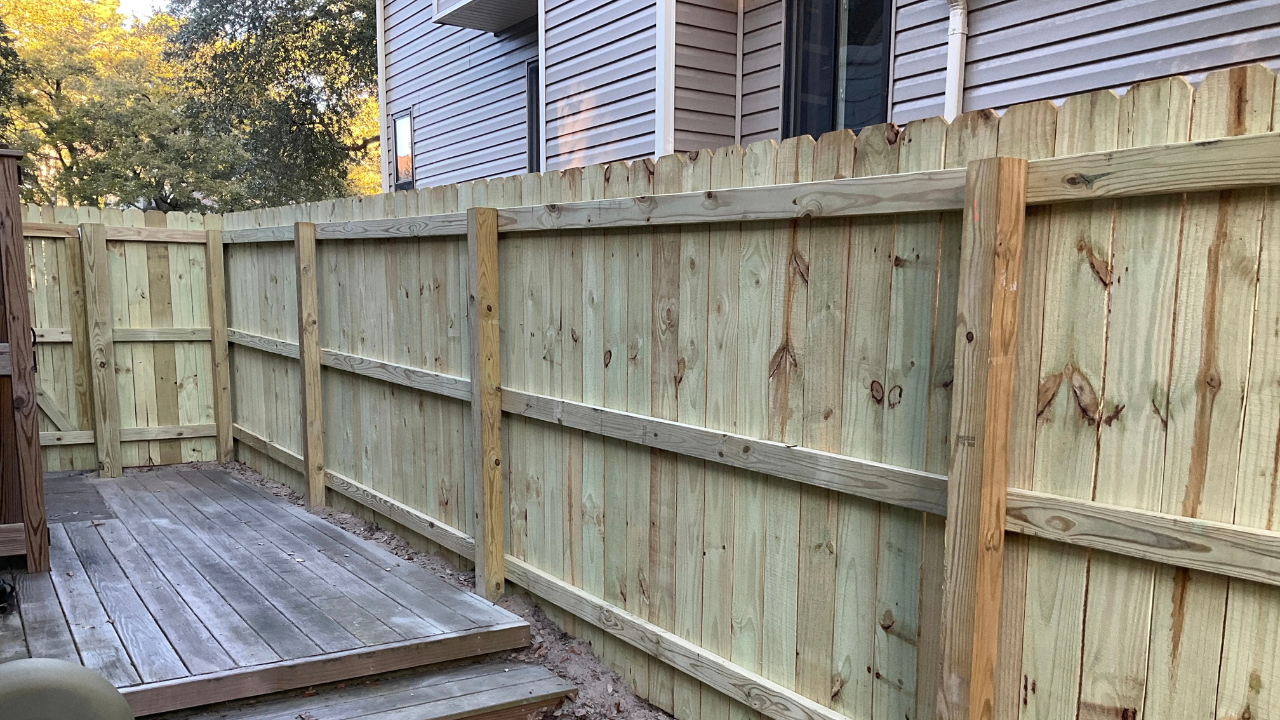
Knowing how to fix a rotted fence post is valuable - but understanding why posts rot underground in the first place is what allows you to make smarter decisions about materials, installation, and maintenance going forward.
Moisture is the enemy. The ground contact zone is the most vulnerable point on any wooden fence post. And the best time to address rot is before it progresses to the point of structural failure.
Whether you're dealing with a single leaning post or a fence line that's been slowly failing for years, the right repair approach and the right materials going forward will make all the difference.
Contact us today for a free quote and let's get your fence standing straight again.
How do I know if my fence post is rotted underground?
Push firmly on the post and check for movement. Then use a screwdriver to probe the wood at and just below ground level - if it sinks in without resistance, rot is present. Dark staining, soft wood, and visible fungal growth at the base are also reliable indicators.
Can a rotted fence post be repaired without replacing it?
In some cases, yes. The sister post method involves setting a new post alongside the damaged one and transferring the load, which avoids full replacement. Wood consolidants can also stabilize early-stage rot. However, if rot has compromised the structural core of the post, replacement is the more reliable long-term solution.
How long does a wooden fence post last in the ground?
With proper materials and installation, pressure-treated fence posts rated for ground contact typically last 15 to 20 years. Posts that aren't properly sealed, set in poorly draining soil, or made from non-ground-contact lumber may begin to fail significantly sooner.
Should I dig out the old concrete footing when replacing a rotted post?
No - and this is one of the most common mistakes homeowners make. Digging out the footing disrupts compacted soil, creates erosion risk, and leaves a looser foundation for the new post. The better approach is to cut the old post at ground level, leave the footing in place, and set a new post in a fresh hole a few inches away.
What type of wood is most resistant to rot for fence posts?
Pressure-treated lumber with a UC4B or UC4C ground contact rating offers the best rot resistance for below-grade applications. Cedar is naturally rot-resistant and works well for above-ground fence components. Avoid untreated pine or spruce for any part of the post that will be in contact with soil.
How can I prevent my new fence posts from rotting?
Use ground-contact rated pressure-treated lumber, seal the end grain before installation, crown the concrete footing above grade to encourage drainage, keep vegetation away from post bases, and inspect posts annually for early signs of moisture damage.