If installing a new fence has been on your to-do list for a while, spring 2026 is the time to stop waiting. The weather is cooperating, contractor schedules are opening up, and your yard is about to become the most-used space on your property. Getting ahead of the season means getting your fence done before the summer rush - and before your backyard fills up with weekend plans that keep pushing the project further out.
This guide covers everything Boise homeowners need to know about spring fence installation in 2026, from why spring is the best time to act to what the process looks like from start to finish.
Timing matters more than most homeowners realize when it comes to fence installation. In Boise, Idaho, spring hits a sweet spot that makes it the most practical season of the year to get a new fence put in.
The ground is workable again. Boise winters freeze the ground enough to make post-setting difficult or impossible in the coldest months. By spring, the frost has lifted and soil is soft enough to dig cleanly - which means posts can be set to the correct depth without the complications that winter conditions create.
The weather is mild. Fence installation in Boise's spring months - typically March through May - means crews are working in comfortable temperatures. Extreme heat affects how quickly concrete sets and how materials handle during installation. Spring's moderate temperatures make for cleaner, more controlled work.
You beat the summer backlog. Spring is when fence installation demand in Boise starts climbing fast. Homeowners who wait until June or July often find themselves waiting weeks for a contractor to get to them. Booking in spring 2026 means you're ahead of the rush and your project gets the full attention it deserves.
Your yard is ready to use. Getting your fence installed in spring means it's in place before summer entertaining season, before kids and pets start spending full days outside, and before you've already lost half the year wishing it was done.
Spring 2026 is a good moment to think carefully about what you actually want - not just what you've always assumed you'd get. Boise's fencing market has evolved, and there are more quality options available now than ever before.
Here's a quick overview of the most popular choices for spring fence installation in Boise, Idaho:
Wood Fences
Wood remains the most popular choice for residential fence installation in Boise. It offers a natural, warm look that suits the Pacific Northwest-influenced aesthetic common in the area. Cedar is the top pick for Boise's climate - it's naturally resistant to moisture and insects, and it holds stain and sealant well.
The tradeoff is maintenance. Wood fences need sealing or staining every two to three years to hold up against Boise's dry summers and wet springs. With consistent upkeep, a quality wood fence installed in spring 2026 can easily last 20 years or more.
Vinyl Fences
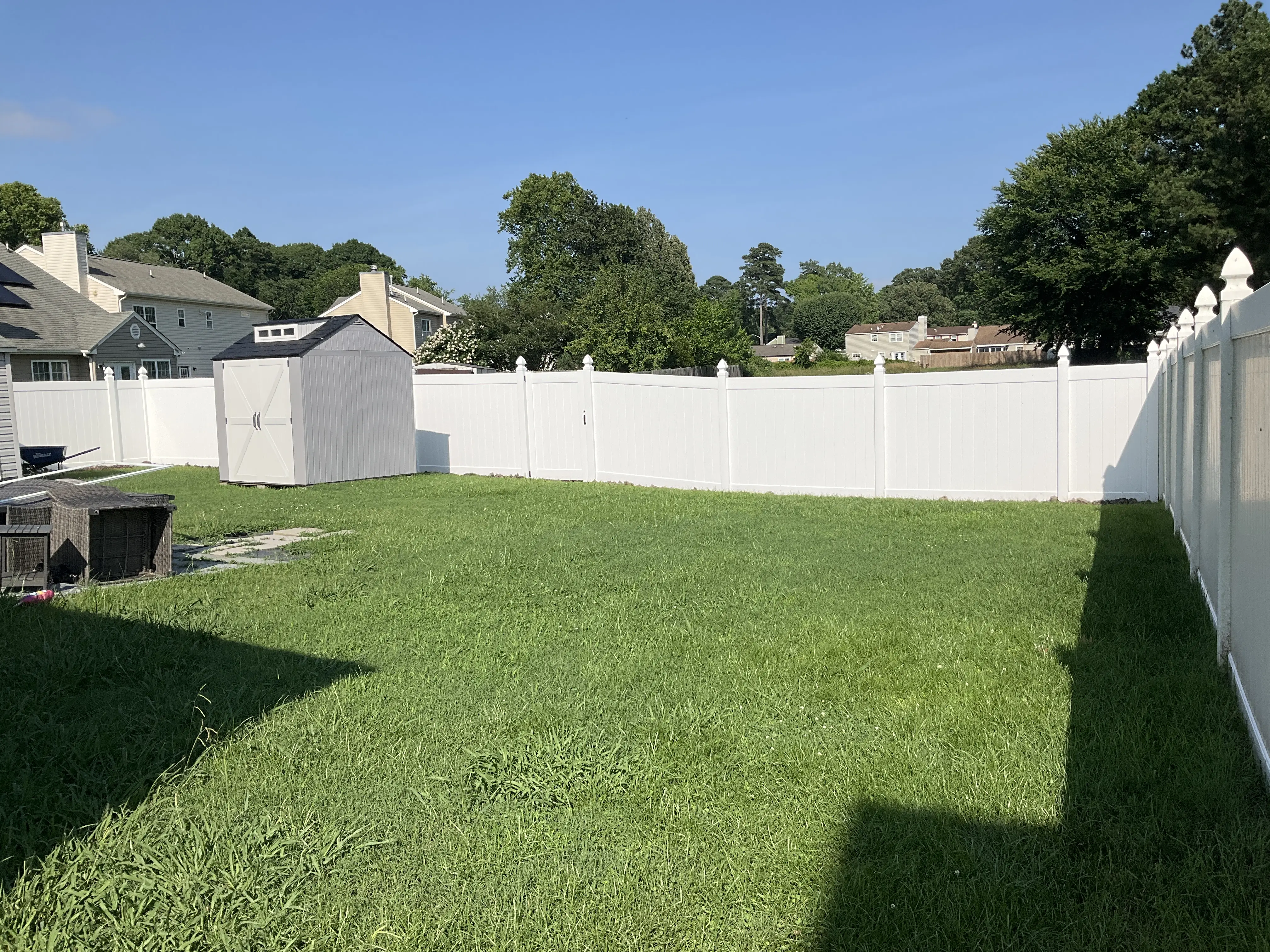
Vinyl is the low-maintenance alternative to wood. It doesn't rot, warp, or need repainting, and it cleans up easily with a hose. For Boise homeowners who want privacy without the ongoing upkeep commitment, vinyl is a strong option for spring 2026 installation.
Vinyl costs more upfront than wood but tends to pay for itself over time through reduced maintenance spending. It's particularly popular with homeowners who travel frequently or simply don't want another seasonal task on their list.
Aluminum Fences
Aluminum fencing is the go-to choice for decorative boundary fences, front yard installations, and pool enclosures. It offers the classic look of wrought iron without the rust risk or repainting requirements. For Boise homeowners adding a fence that's more about aesthetics and property definition than full privacy, aluminum is a reliable and attractive option in 2026.
Chain Link Fences
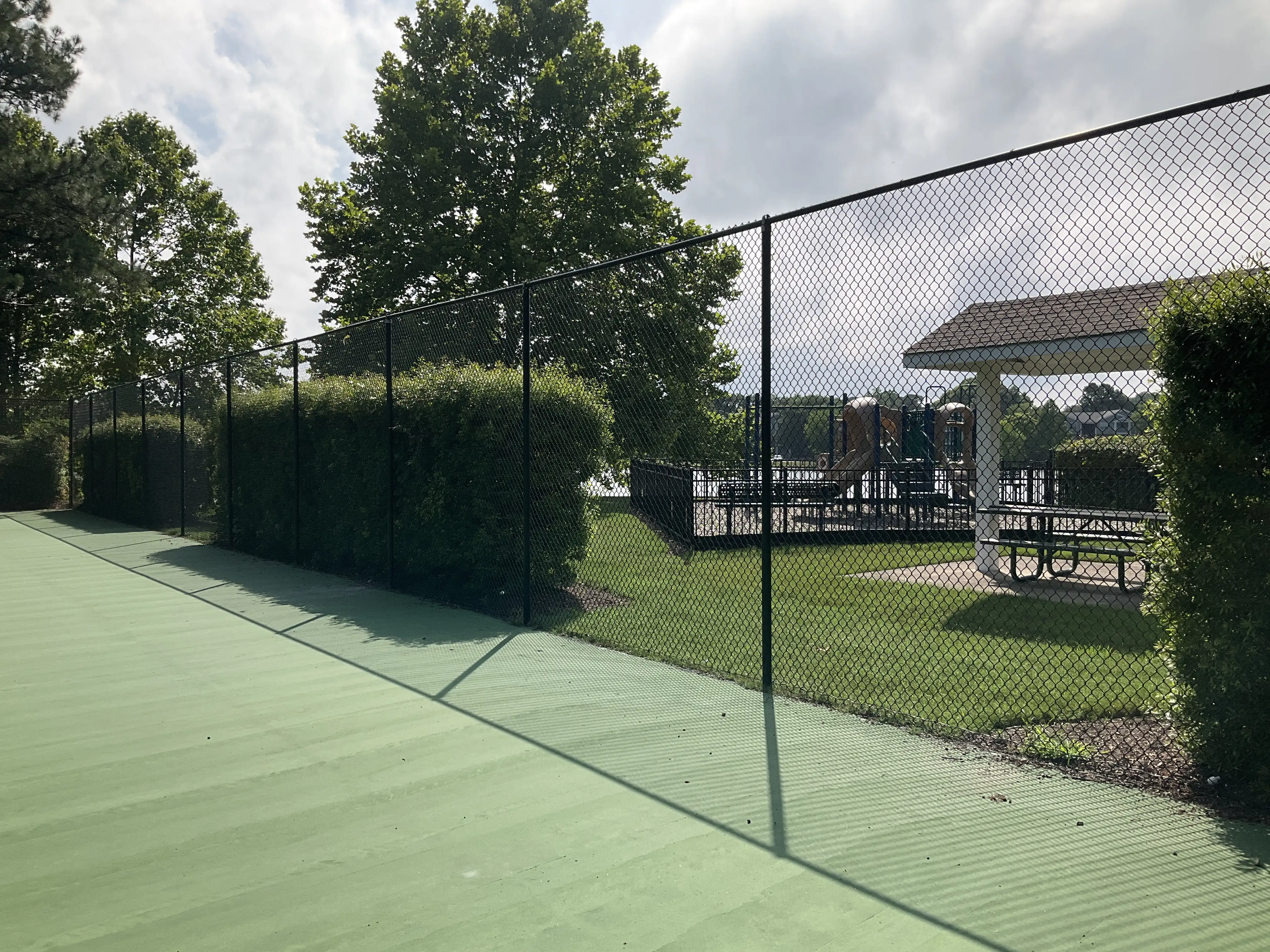
Chain link remains a practical, cost-effective solution for larger properties, dog runs, and utility areas. It's not the most visually striking option, but it's durable, low-maintenance, and affordable - particularly for Boise homeowners working with a tight budget or a large perimeter to cover.
Fence installation professionals can help you evaluate each option against your specific yard, budget, and goals before committing.
Fence installation costs in Boise, Idaho depend on several variables - material, linear footage, terrain, and the number of gates required. Here's a general framework for budgeting your 2026 spring fence project:
For a typical Boise residential backyard - roughly 150 to 200 linear feet - total project costs generally fall between $3,000 and $9,000 depending on the material chosen and the complexity of the installation.
Factors that can push costs higher include:
Getting a detailed, itemized quote from a local Boise contractor is the best way to understand exactly what your spring 2026 project will cost.
Before your fence goes in the ground, it's important to understand what approvals you may need. In Boise, Idaho, most fence installations require a permit - particularly for fences over six feet in height or those installed in front yard setback areas.
The City of Boise's planning and development department handles fence permits, and the process is generally straightforward for standard residential installations. Your contractor should be familiar with current 2026 requirements and handle the permit application on your behalf.
If your property is governed by a homeowners association, check with your HOA before finalizing your design. Many Boise-area HOAs have specific rules about:
Getting HOA approval before installation begins prevents costly modifications after the fact. A good contractor will ask about HOA requirements upfront and factor them into the design and quote.
The City of Boise planning department is the right starting point for understanding current permit requirements for your spring 2026 fence project.
Thinking about getting your fence done this spring? Contact us for a free quote and let's get your 2026 project on the calendar.
For homeowners who haven't been through a fence installation before, knowing what to expect makes the whole process feel a lot less daunting. Here's a typical timeline for a spring 2026 fence installation in Boise, Idaho:
Step 1 - Consultation and Quote A contractor visits your property, walks the fence line with you, discusses your goals and material preferences, and provides a detailed written quote. This is also when permit requirements and HOA considerations should be discussed.
Step 2 - Design and Approval Once you've accepted the quote, the contractor finalizes the design and submits any necessary permits or HOA paperwork. In Boise, permit processing times vary but are typically completed within a week or two for standard residential projects.
Step 3 - Utility Marking Before any digging begins, your contractor should call 811 - Idaho's dig-safe line - to have underground utilities marked. This is a legal requirement and an important safety step.
Step 4 - Installation Most residential fence installations in Boise take one to three days. Posts are set in concrete first and allowed to cure before rails and panels are attached. Gates are hung and adjusted last.
Step 5 - Final Walkthrough Your contractor walks the completed fence with you, confirms everything meets your expectations, and addresses any questions about maintenance and care.
A little preparation before your installation date makes the process faster and smoother for everyone involved.
Spring 2026 is already shaping up to be a busy season for fence installation in Boise, Idaho. Choosing the right contractor early gives you more scheduling flexibility and a better overall experience.
Here's what to look for:
The Better Business Bureau is a reliable resource for checking contractor credentials and complaint history before you commit.
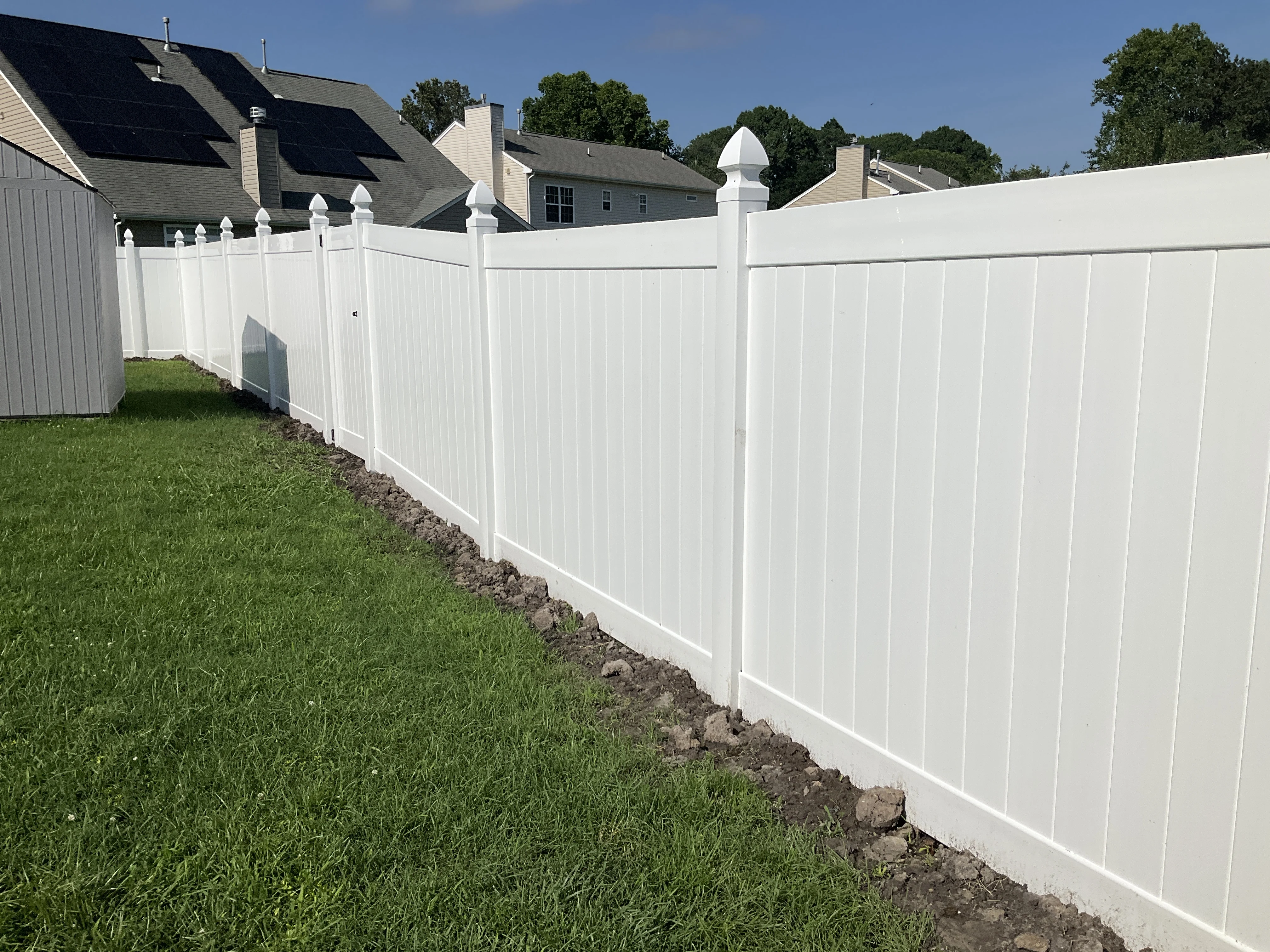
Spring fence installation in Boise, Idaho doesn't have to be complicated. With the right contractor, the right material, and a little planning upfront, your new fence can be in place and looking great before summer arrives.
Whether you're after privacy, security, curb appeal, or all three, spring 2026 is the ideal time to move from planning to action. Boise's spring weather is cooperative, schedules are still open, and your yard is ready to be transformed.
Contact us today for a free quote and let's make your spring 2026 fence installation in Boise a reality.
When is the best time to install a fence in Boise, Idaho?
Spring is generally the best time for fence installation in Boise. The ground has thawed, temperatures are mild, and booking in spring 2026 helps you get ahead of the summer demand surge when contractor schedules fill up quickly.
Do I need a permit for fence installation in Boise, Idaho in 2026?
Most fence installations in Boise require a permit, particularly for fences over six feet tall or those in front yard setback areas. Your contractor should confirm current 2026 requirements and handle the permit process on your behalf.
How long does fence installation take in Boise, Idaho?
Most residential installations take one to three days depending on the size of the project and the material used. Your contractor will provide a specific timeline during the quote process.
What is the most popular fence material for Boise homes in 2026?
Wood - particularly cedar - remains the most popular choice for residential fence installation in Boise. Vinyl is a close second for homeowners prioritizing low maintenance, while aluminum is popular for decorative and pool fence applications.
How far in advance should I book a fence installation in Boise for spring 2026?
Booking four to six weeks ahead is a good rule of thumb for spring installations. The earlier you book in 2026, the more scheduling flexibility you'll have and the less likely you are to run into delays caused by contractor backlogs.
How do I know if my fence installation needs HOA approval in Boise?
Check your HOA's CC&Rs (covenants, conditions, and restrictions) for any fencing rules. If you're unsure, contact your HOA management company directly before your project begins. A reputable contractor will ask about HOA requirements during the initial consultation.