If you're planning a new fence for your Cincinnati home, one of the biggest decisions you'll face is choosing between a wood fence vs vinyl fence. Both are popular options, both offer privacy and curb appeal - but they differ in some important ways that could affect your budget, your schedule, and how much work you're signing up for down the road.
This guide breaks down everything you need to know about wood fence vs vinyl fence so you can make a confident, informed choice for your property.
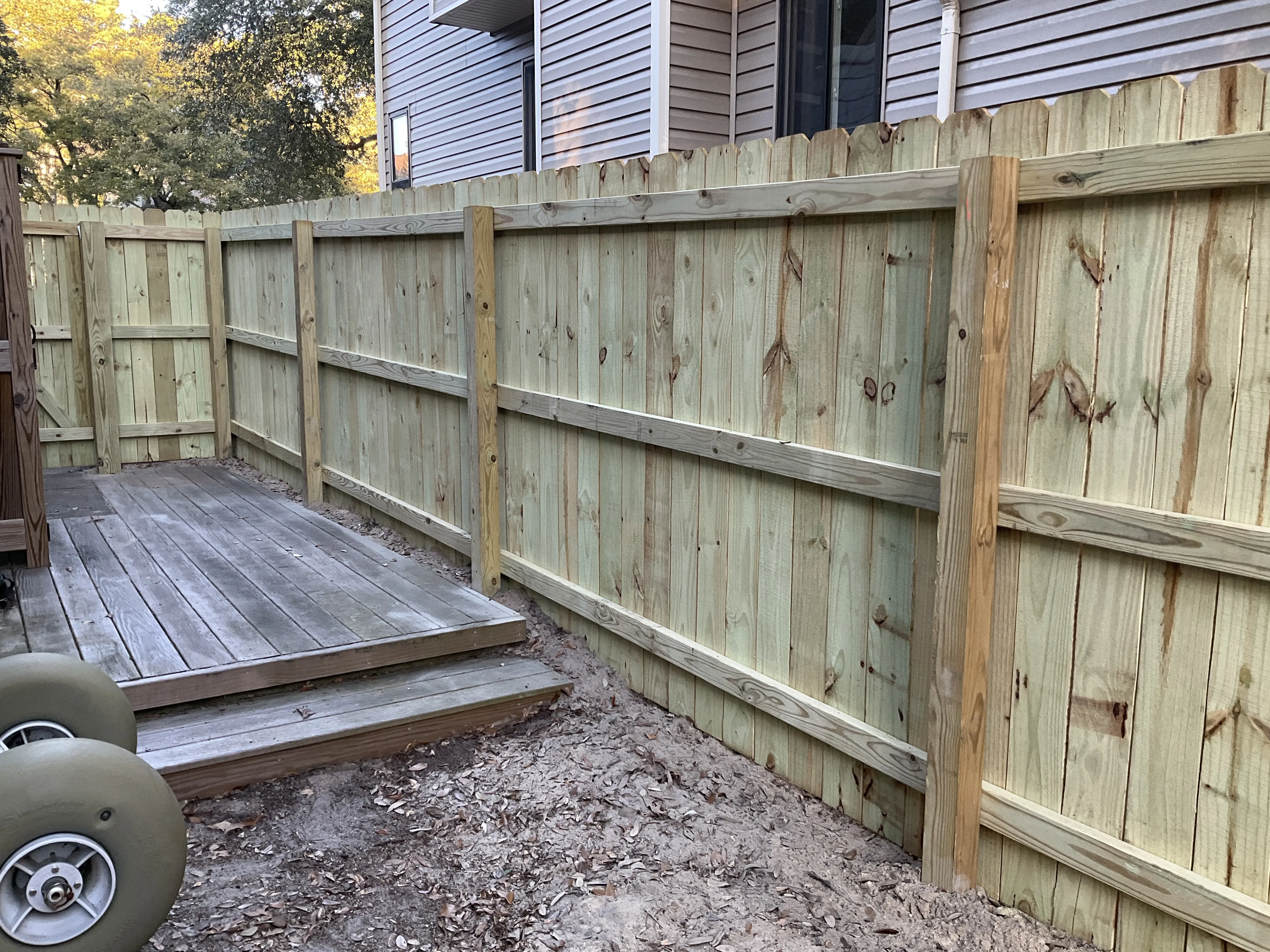
Fencing is a long-term investment. The material you choose will affect how your yard looks, how much maintenance you do each year, and how well your fence holds up against Cincinnati's weather - which ranges from humid summers to freezing winters with ice and snow.
Getting this decision right from the start saves you time, money, and headaches. Understanding the differences between a wood fence vs vinyl fence is the best place to begin.
A wood fence is the classic choice for homeowners who want a natural, warm aesthetic. Wood fences are typically made from cedar, pine, or spruce, and they can be cut, shaped, and styled in almost any configuration - from basic privacy panels to decorative picket fences.
Wood is also widely available and tends to cost less upfront than vinyl, making it an appealing option for homeowners working within a tighter budget.
Pros of a wood fence:
Cons of a wood fence:
A vinyl fence is made from PVC plastic and is engineered specifically to withstand the elements. It doesn't rot, rust, or splinter, and it holds its color without needing to be painted or stained. For Cincinnati homeowners who want a low-maintenance option that still looks sharp, vinyl is a strong contender in the wood fence vs vinyl fence comparison.
Pros of a vinyl fence:
Cons of a vinyl fence:
Cost is often the deciding factor in the wood fence vs vinyl fence debate - but it's important to look at both short-term and long-term expenses.
Upfront cost: Wood fences are generally less expensive to install. Depending on the size of your yard and the style you choose, wood typically costs less per linear foot than vinyl.
Long-term cost: Vinyl tends to win over time. Wood requires regular sealing or staining every two to three years, which adds up in both materials and labor. Vinyl needs very little ongoing investment beyond occasional cleaning.
Repair costs: Wood is easier and cheaper to repair on a board-by-board basis. Vinyl repairs can be more costly since damaged panels often need to be replaced entirely.
For Cincinnati homeowners planning to stay in their home long-term, vinyl may offer better overall value. For those with a tighter upfront budget or a shorter time horizon, wood is often the smarter starting point.
.png)
Cincinnati's climate plays a real role in the wood fence vs vinyl fence decision. The city experiences hot, humid summers and cold winters with significant freeze-thaw cycles - both of which can take a toll on fencing materials.
Wood in Cincinnati's climate: Wood is vulnerable to moisture. Without proper sealing, Cincinnati's rainy seasons and winter snow can cause boards to absorb water, swell, and eventually rot or warp. A well-maintained wood fence can still last 15 to 20 years, but that maintenance is non-negotiable in this region.
Vinyl in Cincinnati's climate: Vinyl handles moisture well and won't rot or warp. However, PVC can become brittle in extreme cold, which means a hard impact during winter months could crack a panel. That said, most quality vinyl fences are engineered to handle temperature swings without major issues.
Overall, vinyl has a slight edge in Cincinnati's climate from a durability standpoint - but a properly maintained wood fence performs well too.
Both wood and vinyl can be installed as solid privacy fences, so this category is largely a tie when it comes to the wood fence vs vinyl fence comparison.
That said, there are some subtle differences:
If maximum, long-lasting privacy is your top priority, vinyl has a slight edge. If you want a privacy fence that you can customize and adjust over time, wood offers more flexibility.
Thinking through your options? Contact us at Heartwood Fence and we'll help you figure out which material is the right fit for your Cincinnati home.
This one comes down to personal taste - but there are some general patterns in how homeowners feel about each option.
Wood tends to appeal to homeowners who want a more natural, traditional look. The texture and grain of real wood adds warmth that vinyl can't fully replicate. Wood also takes paint well, so you have complete freedom over color and finish.
Vinyl offers a clean, consistent appearance that many homeowners appreciate for its polished, low-maintenance look. Modern vinyl fences come in a range of styles and colors, though the options are more limited than what's possible with wood.
If aesthetics are a top priority, think about the overall style of your home and landscaping. A craftsman-style home might look best with a natural wood fence. A more modern property might suit vinyl's clean lines.
This is where vinyl clearly wins the wood fence vs vinyl fence comparison. Vinyl requires almost no ongoing maintenance - just a periodic rinse with a garden hose to remove dirt and grime.
Wood, on the other hand, needs:
If you'd rather spend your weekends doing anything other than fence maintenance, vinyl is the more practical choice. If you don't mind the upkeep and enjoy the hands-on aspect of homeownership, wood is very manageable with a consistent routine.
.png)
There's no universal winner in the wood fence vs vinyl fence debate - the right choice depends on your budget, your lifestyle, and what you want your yard to look like.
Choose wood if you want a natural aesthetic, a lower upfront cost, or a highly customizable design.
Choose vinyl if you want minimal maintenance, long-term durability, and a fence that holds up well in Cincinnati's variable climate.
Either way, the most important factor is working with an experienced fence installation contractor who can help you choose the right material and install it properly. A great fence starts with great craftsmanship - regardless of what it's made of.
Contact us today for a free quote and let's find the right fence for your Cincinnati home.
Is a wood fence or vinyl fence cheaper in Cincinnati?
Wood fences are typically less expensive upfront. Vinyl costs more initially but tends to require less spending on maintenance over time, making it potentially more cost-effective in the long run.
How long does a wood fence last in Cincinnati?
A well-maintained wood fence can last 15 to 20 years in Cincinnati. Regular sealing or staining is essential to protect it from the region's humidity, rain, and winter weather.
How long does a vinyl fence last?
Vinyl fences typically last 20 to 30 years with minimal maintenance. They are designed to resist moisture, rot, and insects, which makes them a durable long-term option.
Can vinyl fences crack in cold weather?
Vinyl can become more brittle in extreme cold and may crack if impacted. However, most quality vinyl fences are engineered to handle normal temperature fluctuations without issue.
Which fence is better for privacy - wood or vinyl?
Both can be installed as solid privacy fences. Vinyl panels tend to maintain a tighter fit over time, while wood can shrink slightly and develop small gaps. For long-term privacy with minimal upkeep, vinyl has a slight advantage.
Is a wood fence hard to maintain in Cincinnati's climate?
It requires consistent attention. Cincinnati's humidity and freeze-thaw cycles make sealing or staining every two to three years essential. Without regular maintenance, wood fences are prone to rot and warping in this region.